Adverse Drug Reactions: What They Are, Why They Happen, and How to Spot Them
When you take a medication, you expect it to help—not hurt. But sometimes, the very drug meant to fix one problem triggers another. This is an adverse drug reaction, an unintended and harmful response to a medicine at normal doses. Also known as ADR, it’s not just a side effect—it’s a reaction your body didn’t sign up for. Think of it like a car alarm going off when you’re not even near the vehicle. Your body misreads the drug as a threat, and the result can be anything from a rash to liver damage.
Not all bad reactions are the same. Some are predictable, like nausea from antibiotics. Others are rare and strange, like a sudden drop in white blood cells from a drug you’ve taken for months. Drug interactions, when two or more medicines clash inside your body are a big cause. Take warfarin and ibuprofen together? You’re risking internal bleeding. Mix certain antiseizure meds with supplements like evening primrose oil? That could lower your seizure threshold. And it’s not always the active ingredient. Excipients, the inactive fillers, dyes, or preservatives in pills can trigger reactions too—even in people who’ve never had issues with the drug itself. One study found that people with multiple chemical sensitivities reacted to the cornstarch in a generic version of a common heart pill, but not the brand-name version.
Some people are just more at risk. Older adults on five or more meds? Higher chance. People with liver or kidney problems? Their bodies can’t clear drugs the same way. And race and ethnicity can play a role too—certain genetic traits linked to how drugs are processed are more common in specific populations. That’s why a drug that works fine for one person might cause a dangerous reaction in another. Even something as simple as switching from a brand to a generic version can trigger problems, especially with narrow therapeutic index drugs like lamotrigine or carbamazepine. A tiny change in absorption can mean the difference between control and a seizure.
What you’re reading here isn’t just theory. The posts below come from real patient stories and clinical data. You’ll find cases where a common skin cream caused a full-body rash, where a supplement turned a quiet heart condition into an emergency, and how a simple change in pill filler led to unexpected vomiting and dizziness. You’ll learn which medications are most likely to cause trouble, how to tell if your symptoms are normal or dangerous, and what questions to ask your pharmacist before you take your next pill. This isn’t about scaring you off meds—it’s about giving you the tools to use them safely.
Medications
14
Comments
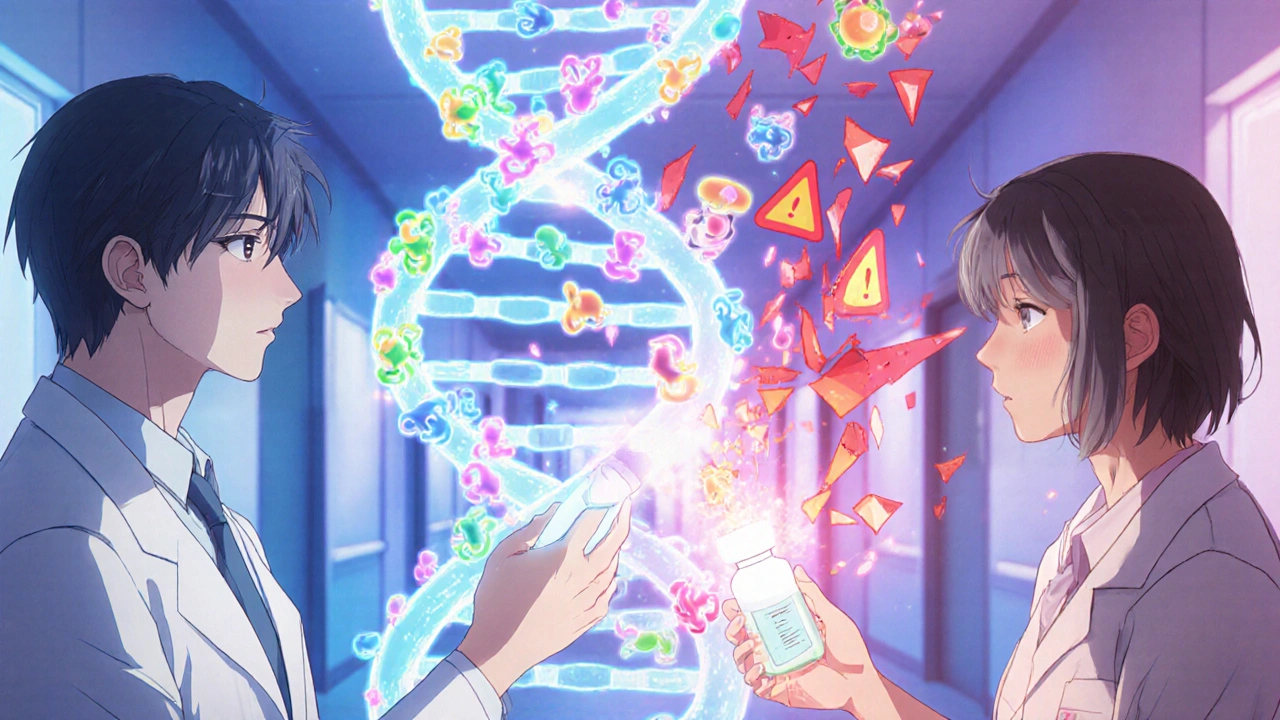
Preventing Adverse Drug Reactions with Pharmacogenetic Testing
Pharmacogenetic testing uses your DNA to predict how you'll react to medications, preventing dangerous side effects. Studies show it cuts adverse drug reactions by 30%, making treatment safer and more effective.
About
Medications
Latest Posts

Acamprosate vs Alternatives: Which Alcohol‑Dependence Medication Works Best?
By Marcel Kornblum Sep 26, 2025

Strabismus Explained: Understanding Eye Misalignment and Surgical Options
By Marcel Kornblum Feb 5, 2026

Steroid-Induced Cataracts: Recognizing Vision Changes and Knowing Your Treatment Options
By Marcel Kornblum Jan 22, 2026