Spread Pricing in Pharmaceuticals: What It Is and Why It Matters
When you pick up a prescription, you might think the price you pay is what the drug costs. But spread pricing, the difference between what a pharmacy pays for a drug and what it charges the patient or insurer. Also known as pharmacy markup, it’s a hidden part of how medications are priced in the U.S. healthcare system. This isn’t about the cost of making the drug—it’s about the gap between what the pharmacy buys it for and what it gets paid to give it to you. And that gap? It can be huge.
Spread pricing shows up most often with generic medications, lower-cost versions of brand-name drugs that are chemically identical. For example, a pharmacy might buy 30 tablets of generic lisinopril for $2, but bill your insurance $20. The $18 difference? That’s the spread. It’s not always disclosed, and it’s not always going to the pharmacy—sometimes it goes to a middleman like a pharmacy benefit manager (PBM). This same pattern shows up with pharmaceutical costs, the total expense of getting a drug from manufacturer to patient. It’s why two people with the same prescription can pay completely different amounts, depending on their insurance plan or where they fill the script.
Why does this matter to you? Because spread pricing can make the cheapest drug feel expensive. It’s one reason why people skip doses or split pills—because the out-of-pocket cost still feels too high, even if the drug itself is low-cost. It also explains why some pharmacies offer $4 generic lists: they’re absorbing the spread themselves to attract customers. Meanwhile, others charge you the full price because their contract with your insurer lets them keep the difference. This isn’t about fraud—it’s about a system designed to hide the real cost of drugs behind layers of contracts and rebates.
You’ll find articles here that touch on this indirectly. Like how buying cheap generic lisinopril online can save money—but only if you know what you’re getting. Or why generic substitution for antiseizure drugs like lamotrigine can be risky, even when the active ingredient is the same. It’s not just about chemistry—it’s about how the system handles those generics behind the scenes. Even discussions about excipients or pharmacogenetic testing tie in: if you’re trying to make smart choices about your meds, you need to understand the whole picture, not just the label.
There’s no single fix for spread pricing. But knowing it exists changes how you shop for prescriptions. You can ask your pharmacy what they paid for the drug. You can compare prices at different stores. You can ask if a cash price is lower than your insurance copay. And you can push back when a $100 drug seems like it should cost $10. The system won’t change overnight, but your awareness does. The articles below show real examples of how drug pricing works in practice—whether it’s comparing antifungal alternatives, navigating generic substitutions, or finding safe ways to buy meds online. They’re not just about pills. They’re about power, transparency, and who really controls the cost of your health.
Medications
10
Comments
How Insurer-Pharmacy Negotiations Set Generic Drug Prices
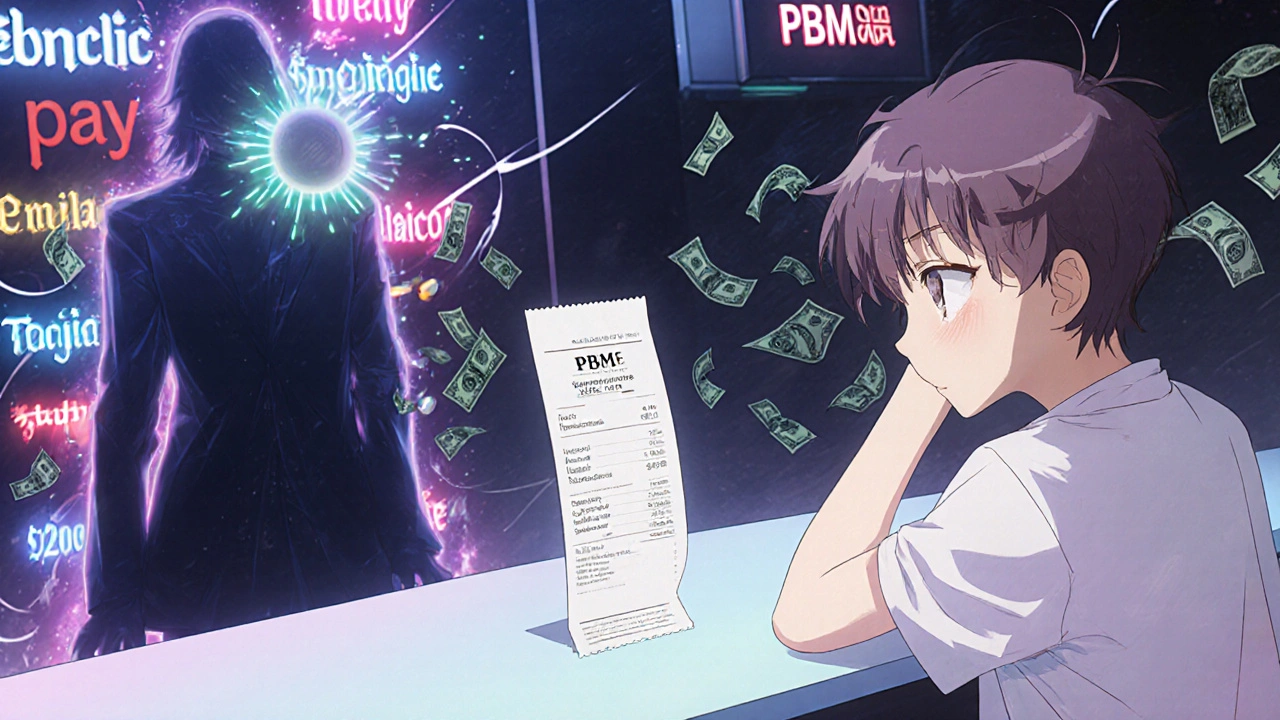
Generic drug prices are set by Pharmacy Benefit Managers (PBMs) through opaque negotiations that often leave patients paying more than cash prices. Learn how spread pricing, MAC lists, and clawbacks work-and what you can do to save money.
About
Medications
Latest Posts


Enhance Joint Health with Glucosamine Sulfate: Tips for Mobility and Flexibility
By Marcel Kornblum Jan 23, 2025

Cumulative Drug Toxicity: How Side Effects Build Up Over Time
By Marcel Kornblum Jan 1, 2026

How Men Can Prevent and Address Unwanted Pregnancies
By Marcel Kornblum Sep 30, 2025