Storing medications in a shared living space isn’t just about keeping pills out of sight-it’s about keeping them safe, effective, and accessible only to the right people. Whether you’re living with aging parents, adult children, roommates, or in a group home, improper storage can lead to accidental overdoses, expired drugs, lost prescriptions, or even theft. The stakes are higher than most people realize. According to the Joint Commission, 13% of healthcare facilities received citations for medication storage violations between 2020 and 2021. In homes, the numbers are worse: a 2025 survey found that 67% of multi-generational households had at least one medication-related incident in the past year.
Why Medication Storage in Shared Spaces Is Different
In a single-person home, you might keep your blood pressure pills on the bathroom counter or your insulin in the fridge door. In a shared space, those habits become risks. Kids grab what looks like candy. Seniors confuse their pills with someone else’s. Roommates accidentally take a painkiller meant for another person. And temperature swings? They can ruin medications before you even notice. The rules change when more than one person’s health is involved. Medications aren’t just personal items-they’re controlled substances, temperature-sensitive biologics, or potentially addictive opioids. The Joint Commission and FDA both require that medications be stored according to manufacturer instructions, secured from unauthorized access, and labeled clearly. These aren’t suggestions. They’re standards that apply whether you’re in a nursing home or a three-generation household.Where to Store Medications: Locked, Cool, and Separate
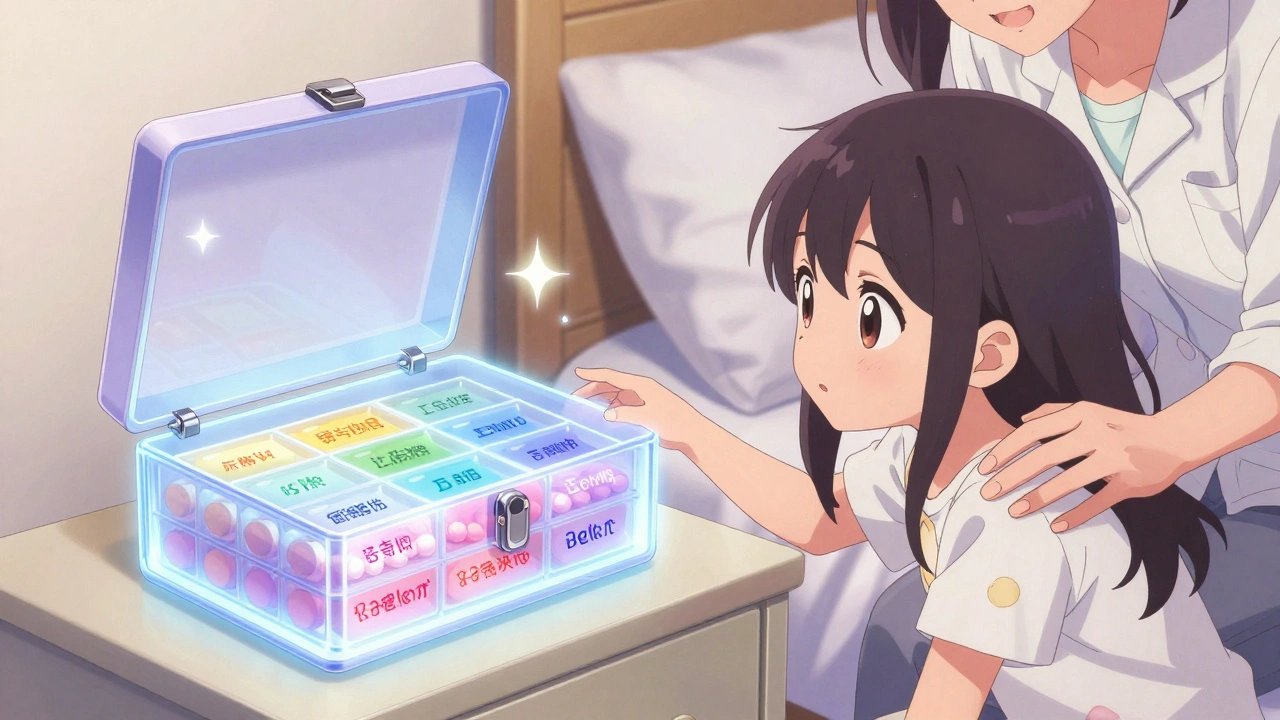
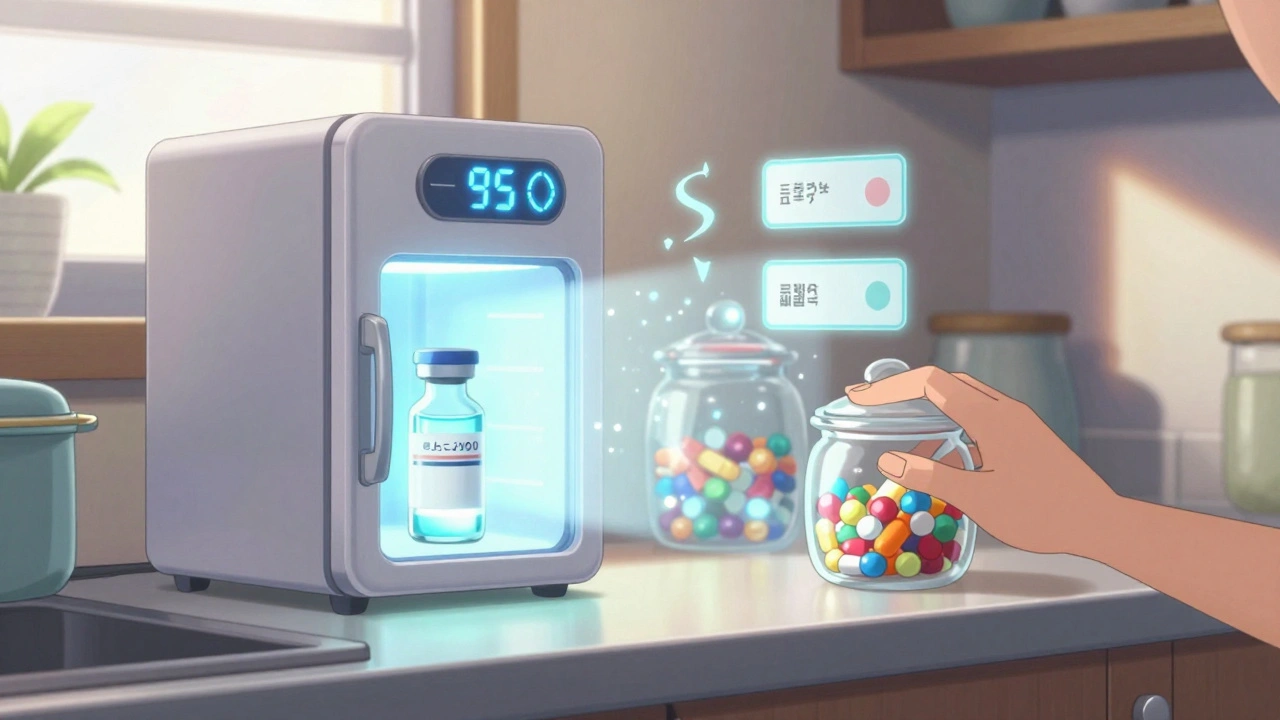
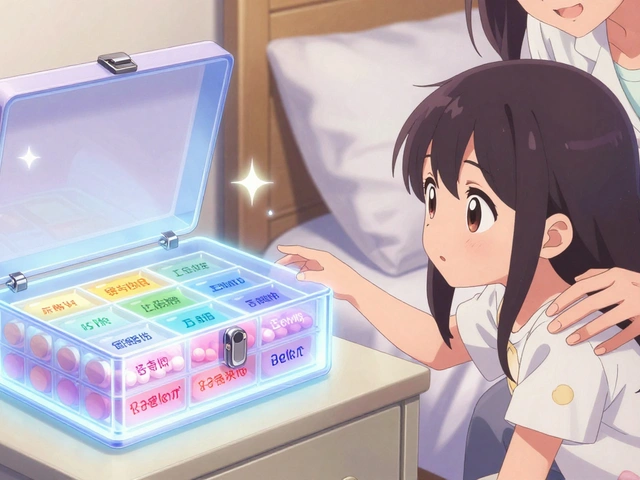
The best place to store medications in a shared home is a locked container, away from heat, moisture, and high-traffic areas. Bathroom cabinets? Avoid them. They’re hot, humid, and easy to reach. Kitchen counters? No. Sunlight and steam can degrade pills. The fridge door? Also a bad idea-temperature swings there can hit 10°F in minutes, which is enough to ruin insulin or antibiotics. Instead, use a locked drawer or cabinet in a bedroom, hallway closet, or dedicated storage area. If you’re in a care facility, look for a designated medication room or cart. In homes, a simple lockbox with a combination or key works. Look for models designed for medication storage-they often have compartments for multiple people, timers, and even alerts. For refrigerated meds like insulin, GLP-1 agonists, or certain biologics, keep them in the center of the fridge, not on the door. That’s where the temperature stays most stable (between 36°F and 46°F). If you’re sharing a fridge, label the meds clearly and consider using a small, dedicated mini-fridge just for medications. It’s not expensive, and it prevents cross-contamination and mix-ups.Controlled Substances Need Extra Security
Opioids, benzodiazepines, stimulants, and other controlled substances must be locked in a way that only authorized people can access them. In assisted living facilities, this means locked cabinets with audit logs-every time someone opens it, it’s recorded. In homes, you don’t need high-tech systems, but you do need discipline. Use a double-lock system: a locked box inside a locked drawer. Only one person should hold the key or combination-usually the primary caregiver. Never leave these meds on a nightstand, even for a few hours. If someone needs to take a dose, have the caregiver retrieve it, administer it, and return it immediately. Keep a log: who took what, when, and how much. Even a simple notebook works. The DosePacker smart lockbox, introduced in March 2024, automatically logs access and monitors temperature. While it’s mostly used in care facilities now, it’s becoming more affordable for home use. If you’re managing a controlled substance in a shared space, it’s worth the investment.Labeling and Organization: No Guesswork Allowed
One of the most common causes of medication errors is poor labeling. Pills look alike. Bottles get mixed up. Labels fade. In a 2021 Joint Commission survey, 12% of hospitals were cited for improper labeling. In homes, it’s likely worse. Every medication container should have:- The person’s full name
- The drug name (brand and generic)
- Dosage and frequency
- Prescribing doctor’s name
- Expiration date
Temperature Matters More Than You Think
Medications aren’t like canned food. They’re chemical compounds that break down when exposed to heat, light, or moisture. A 2024 Johns Hopkins study found that certain antibiotics lose up to 30% of their potency after just 24 hours in a hot car or above 77°F. Here’s what you need to know:- Insulin: Must stay between 36°F-46°F. Once opened, it can last 28 days at room temperature (below 86°F), but refrigeration is best.
- EpiPens: Never freeze. Store at 68°F-77°F. Avoid direct sunlight.
- Antibiotics (liquid): Most require refrigeration. Check the label.
- Thyroid meds, antidepressants, and blood pressure pills: Generally stable at room temperature, but avoid humidity.
What to Do with Expired or Unused Medications
Don’t flush them. Don’t toss them in the trash. Don’t leave them in a drawer for "someday." Expired medications can be toxic, and unused ones are a magnet for misuse. The safest way to dispose of them is through a drug take-back program. Many pharmacies, hospitals, and police stations offer drop-off boxes. The DEA runs National Prescription Drug Take Back Days twice a year. You can also find permanent collection sites using the DEA’s website (no link needed-just ask your local pharmacy). If no take-back option exists, mix pills with coffee grounds or cat litter, seal them in a container, and throw them in the trash. Remove labels or scratch out personal info first. Never leave them in an unlocked cabinet.Household vs. Facility: Key Differences
In assisted living facilities, medication storage is tightly regulated. Large homes use dedicated medication rooms (100% compliance), staff are trained, and every dose is documented in an Individualized Medication Administration Record (MAR). Even small homes have policies, though enforcement varies. In multi-generational homes? It’s often chaotic. A 2025 SeniorHelpers survey found that only 28% of families used locked storage. Most kept meds in bathrooms, kitchens, or open drawers. The result? 42% of incidents involved children accessing meds. Another 18% involved seniors taking the wrong pill. The fix? Bring facility-level discipline into your home:- Remove all expired, broken, or unnecessary meds.
- Group meds by person and storage type (room temp, fridge, locked).
- Assign a storage location for each person-no sharing drawers.
- Lock the container. Use a simple key lock or combination box.
- Keep a written log: who took what, when, and if there were side effects.
Tools That Help: From Lockboxes to Smart Systems
You don’t need fancy tech to keep meds safe, but tools make it easier. - Simple lockbox: Under $30. Good for pills, patches, and liquids. Look for ones with multiple compartments. - Pill organizer with alarms: $25-$60. Helps with daily dosing and reminds users when to take meds. - Smart medication dispenser: $150-$400. Automatically dispenses pills at set times, logs access, and alerts caregivers if a dose is missed. Brands like Hero and MedMinder offer these. - Dedicated medication fridge: $100-$200. Small, quiet, and temperature-controlled. Ideal for insulin or biologics in shared homes. Sales of home medication safes jumped 27% in 2024, according to NPD Group. Demand is rising as more families live together and more seniors age at home.Common Mistakes (And How to Avoid Them)
Here are the top errors families make:- Storing meds in the bathroom → Too humid. Use a bedroom drawer instead.
- Keeping all meds in one place → Risk of mix-ups. Separate by person.
- Not checking expiration dates → 10% of facilities were cited for expired meds in 2021. Do a monthly check.
- Assuming "it’s fine" if it looks okay → Medications degrade invisibly. If it’s expired, toss it.
- Leaving keys or combinations accessible → Even kids can figure out simple codes. Keep them with the primary caregiver.
What to Do If Something Goes Wrong
If someone takes the wrong pill, or you suspect misuse:- Call Poison Control at 1-800-222-1222 immediately. They’re available 24/7.
- If the person is unconscious, having trouble breathing, or seizing, call 911.
- Keep the medication container and any packaging. Emergency responders need to know what was taken.
- Afterward, review your storage system. Was it locked? Was it labeled? Was it in the right place?
Final Checklist for Shared Living Spaces
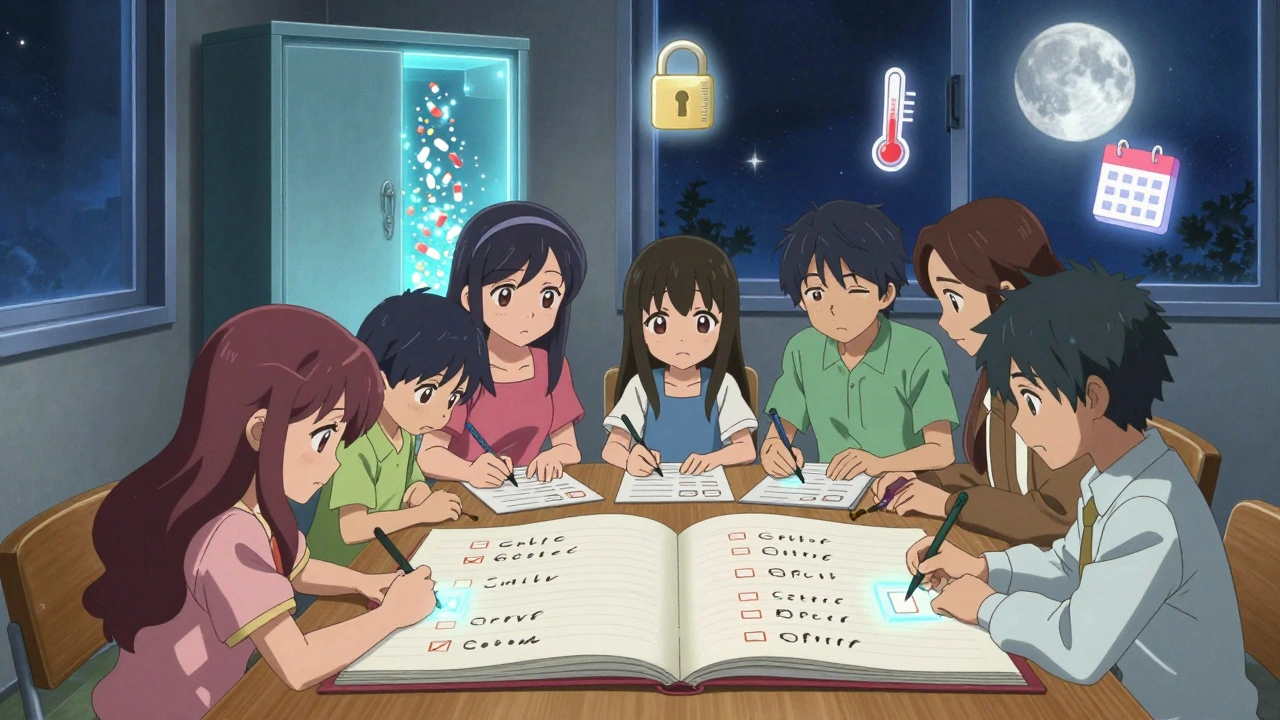
Use this before the end of each month:- ✅ All meds are in locked storage?
- ✅ Refrigerated meds are in the center of the fridge?
- ✅ Labels include name, dosage, and expiration date?
- ✅ Expired or unused meds were disposed of properly?
- ✅ Only one person holds the key or code?
- ✅ A log of doses taken is kept (even if handwritten)?
- ✅ Everyone in the home knows where meds are stored and why they’re locked?
Managing medication storage in shared spaces isn’t about control-it’s about care. It’s about making sure the right person gets the right pill, at the right time, in the right condition. It’s simple, but it takes attention. And in a world where 59.7 million U.S. households now share living space with multiple generations, that attention is no longer optional. It’s essential.
Can I store my insulin in the fridge door?
No. The fridge door experiences temperature swings of up to 10°F every time it’s opened, which can reduce insulin’s effectiveness. Store insulin in the center of the fridge, where the temperature stays steady between 36°F and 46°F.
Is it safe to keep all medications in one locked box?
It’s safer than leaving them out, but not ideal. Store medications by person to avoid mix-ups. Use a box with separate compartments labeled with each person’s name. Sharing a single container increases the risk of accidental overdose or wrong-dose errors.
What should I do with old or expired pills?
Never flush them or throw them in the trash unaltered. Mix them with coffee grounds or cat litter, seal them in a container, and throw them away. For best safety, use a drug take-back program at a pharmacy or police station.
Do I need a smart medication dispenser at home?
Not necessarily, but it helps if someone has memory issues, takes multiple pills, or lives alone in the household. Smart dispensers automatically release doses, track usage, and alert caregivers if a dose is missed. They’re especially useful for controlled substances or insulin.
How often should I check medication expiration dates?
At least once a month. Set a calendar reminder. Expired medications can lose potency or become unsafe. The Joint Commission found that 10% of healthcare facilities had expired meds on site-this happens more often in homes.
Can children access medications if they’re locked in a drawer?
If the drawer is unlocked, yes. Even locked drawers can be opened by older children or teens. Use a lockbox with a combination or key that only adults know. Never rely on a drawer alone-even if it’s "hidden."




Kristen Yates
December 2, 2025 at 11:13
My mom keeps her pills in a Tupperware on the kitchen counter. I finally convinced her to get a lockbox after she almost gave my nephew ibuprofen thinking it was gummy vitamins. Now she uses the one with the timer. It beeps. She hates it. But she’s alive.