
Chronic kidney disease (CKD) doesn't just affect your kidneys-it can trigger dangerous complications like high phosphate levels, fluid buildup, and blood clots. That's where kidney disease medications like phosphate binders, diuretics, and anticoagulants come in. These aren't optional extras; they're essential tools for staying healthy when your kidneys are struggling. For instance, 50% of CKD deaths link to heart problems, and these drugs help cut that risk by 20-30%. But using them right isn't always straightforward. Dosing changes with kidney function, side effects can be tough, and costs add up. Let's break it down simply.
Phosphate Binders: Keeping Phosphate in Check
When kidneys fail, they can't remove excess phosphate from your blood. This condition, called hyperphosphatemia, affects 60% of stage 4-5 CKD patients. High phosphate levels cause calcium to build up in blood vessels, leading to heart attacks and strokes. Phosphate binders solve this by sticking to phosphate in your gut, stopping it from entering your bloodstream. You take them with meals to catch phosphate from food.
There are four main types. Calcium-based binders like Calcium acetate (Phoslo) is a calcium-based phosphate binder that binds dietary phosphate in the gastrointestinal tract work well but can raise blood calcium levels. Sevelamer (Renagel) a non-calcium phosphate binder that reduces serum phosphate without increasing calcium levels avoids this risk but costs $120-$200 AUD monthly in Australia. Ferric citrate (Auryxia) an iron-based phosphate binder that also treats iron deficiency is newer and costs $6,500-$7,200 USD yearly. Lanthanum carbonate (Fosrenol) is another option, though less common.
| Type | Common Brands | Dosing | Cost (Monthly) | Key Considerations |
|---|---|---|---|---|
| Calcium-based | Phoslo, Tums | 667 mg with meals | $50-$80 USD | Risk of hypercalcemia; avoid if serum calcium >9.5 mg/dL |
| Sevelamer | Renagel, Renvela | 800-1600 mg with meals | $120-$200 AUD | Lower vascular calcification risk; may cause constipation |
| Iron-based | Auryxia, Fortical | 1,000 mg with meals | $550-$600 AUD | Helps with iron deficiency; black stools are normal |
| Lanthanum | Fosrenol | 750-2,250 mg with meals | $180-$250 AUD | Chewable tablets; avoid if swallowing difficulties |
Real-world issues matter too. A 2023 Australian study found 42% of patients stop phosphate binders within six months due to cost or side effects. Taking them with every meal-yes, even snacks-is critical. Miss a dose? You'll absorb phosphate from food, worsening your condition. Always check with your nephrologist before switching brands.
Diuretics: Managing Fluid Overload
Fluid buildup is a nightmare for CKD patients. It causes swelling, high blood pressure, and heart strain. Eighty to ninety percent of CKD patients deal with this. Diuretics help your kidneys flush out extra fluid. But they're not one-size-fits-all. Loop diuretics like furosemide (Lasix) a loop diuretic used for fluid management in CKD patients are common starters, while torsemide (Soaanz) a loop diuretic with higher bioavailability than furosemide in CKD works better for many.
Here's the catch: as kidney function drops, diuretics become less effective. In stage 4-5 CKD, 40-60% of patients develop "diuretic resistance." Doctors often combine torsemide with a thiazide like metolazone. Torsemide costs $90-$120 USD monthly as a brand, but generic versions run $10-$25 USD. In Australia, generic torsemide is $25-$40 AUD monthly. The European Heart Journal found torsemide has 30% better absorption than furosemide in CKD patients, meaning a 20mg dose equals 40mg of furosemide.
Practical tips: Take diuretics in the morning to avoid nighttime bathroom trips. Split doses if needed-some patients take half in the morning and half at lunch. If swelling worsens, don't double your dose; call your doctor. Overusing diuretics can crash your electrolytes, causing muscle cramps or irregular heartbeats. A 2022 study in NEJM showed torsemide reduced heart failure hospitalizations by 22% compared to furosemide, but furosemide stays first-line due to low cost and wide availability.
Anticoagulants: Preventing Blood Clots
CKD patients have 2-4 times higher risk of blood clots and strokes than others. Warfarin (Coumadin) used to be the go-to, but newer drugs called direct oral anticoagulants (DOACs) like apixaban (Eliquis) a DOAC preferred for CKD patients with eGFR 25-50 mL/min/1.73m² and dabigatran (Pradaxa) a DOAC with higher stroke prevention but increased bleeding risk in CKD are now common. The key? Dosing depends on your kidney function.
For example, if your eGFR (kidney function test) is 15-29 mL/min/1.73m², apixaban drops from 5mg twice daily to 2.5mg twice daily. Rivaroxaban (Xarelto) cuts to 15mg daily at eGFR 15-50, while edoxaban (Savaysa) is off-limits below eGFR 15. Warfarin remains the only option for severe CKD (eGFR <15), but it requires frequent blood tests. The American Heart Association says DOACs cut major bleeding risk by 20-30% vs warfarin in CKD patients with eGFR ≥15. Still, a 2023 Journal of Thrombosis study found warfarin is safer in very advanced CKD due to unpredictable DOAC levels.
Real patient stories highlight the struggle. On Reddit, u/CKDWarrior shared: "Apixaban at reduced dose prevented my stroke but caused alarming bruising; my nephrologist switched me to warfarin which required weekly INR checks but was more predictable." Medicare data shows 28% of CKD patients stop anticoagulants due to bleeding fears. Always discuss bleeding risks with your doctor-minor bruising is normal, but nosebleeds or blood in urine need immediate attention.

Putting It All Together: Daily Management Tips
These medications work best when used together. But managing them is complex. Here's how to stay on track:
- For phosphate binders: Take them with every meal and snack. Carry extras when traveling. If you forget, don't double up later-just skip the dose.
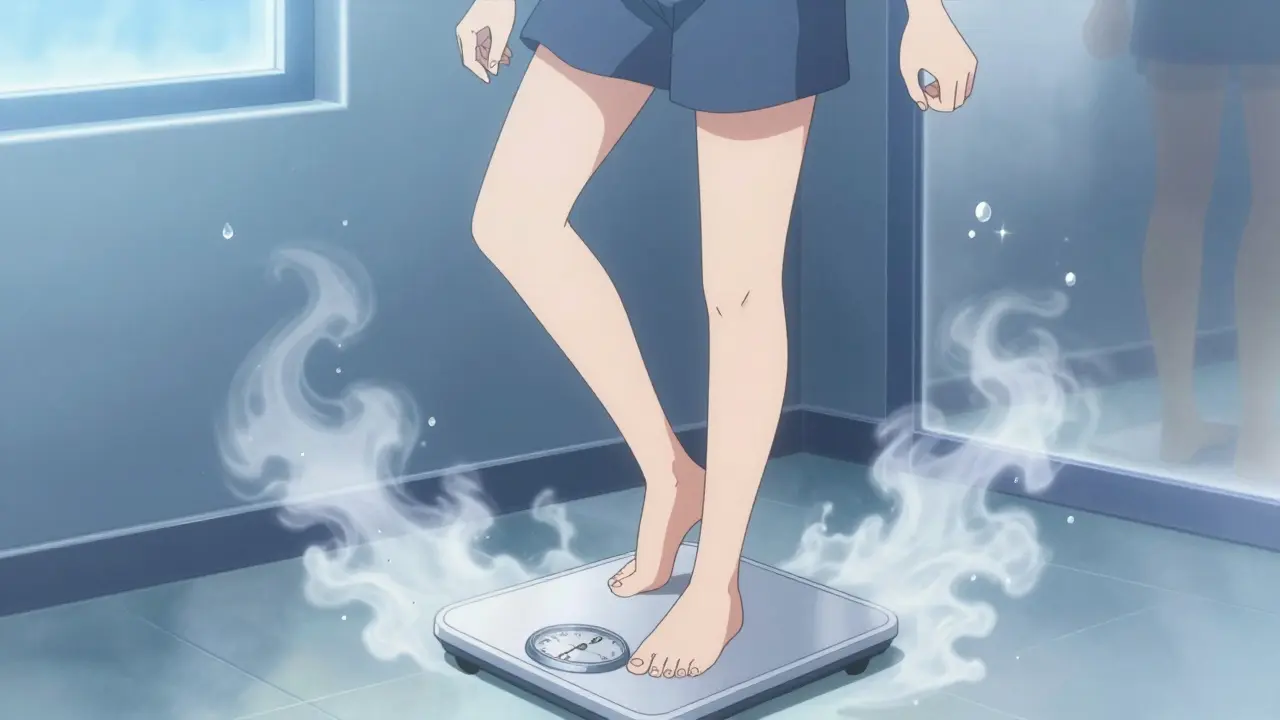
- For diuretics: Weigh yourself daily. A sudden 2kg weight gain means fluid buildup. Take them early to avoid sleep disruption.
- For anticoagulants: Use a pill organizer. Never skip doses for "just one day." Report any cuts that won't stop bleeding.
- Monitor kidney function: Get eGFR checked every 3 months. Dosing changes fast as kidney function declines.
Cost is a real barrier. In Australia, the PBS subsidy covers some phosphate binders like sevelamer for eligible patients. Ask your pharmacist about generic options. For anticoagulants, Medicare Part D plans vary-some cover apixaban better than warfarin. The National Kidney Foundation's "Medicines and CKD" app (downloaded 150,000 times) gives real-time dosing guidance and has cut medication errors by 27% in Mayo Clinic trials.
Frequently Asked Questions
Can I skip phosphate binders if I eat a low-phosphate diet?
While dietary phosphate control is important, most CKD patients still need phosphate binders. Studies show that even with a low-phosphate diet, phosphate levels often remain high in stage 4-5 CKD. The National Kidney Foundation recommends phosphate binders when serum phosphate exceeds 4.5 mg/dL despite dietary changes. Always consult your nephrologist before adjusting medications.
Why do some CKD patients need diuretics even if they're not swollen?
Fluid buildup often happens silently before swelling appears. Diuretics prevent high blood pressure and heart strain by managing fluid balance early. The KDIGO 2023 guidelines recommend diuretics for all CKD stage 3b-5 patients with hypertension, even without visible edema. Skipping them can lead to sudden heart failure.
Which anticoagulant is safest for someone with kidney disease?
Apixaban is generally the safest DOAC for CKD patients with eGFR 25-50 mL/min/1.73m². It has 31% lower major bleeding risk than warfarin in this group. For eGFR <25, warfarin is preferred due to limited DOAC data. Always check your eGFR before starting-dosing changes drastically with kidney function. The ARISTOTLE trial showed apixaban reduces stroke risk by 34% compared to warfarin in CKD patients with atrial fibrillation.
What happens if my diuretic stops working?
Diuretic resistance is common in advanced CKD. Doctors typically add a thiazide like metolazone (2.5-5mg daily) to loop diuretics. This combo works better than increasing the loop diuretic dose alone. A 2023 Journal of the American Society of Nephrology study found this approach reduced hospitalizations by 35% in stage 4 CKD patients. Never adjust doses yourself-contact your nephrologist immediately if swelling worsens.
Are there cheaper alternatives to expensive phosphate binders?
Yes. Calcium acetate (Phoslo) costs $50-$80 USD monthly and works well for many patients. In Australia, generic sevelamer is available at $100-$150 AUD monthly. Ferric citrate is pricier but covered by PBS for iron-deficient patients. Always compare costs with your pharmacist-some brands have better subsidies. A 2022 study in Nephrology Dialysis Transplantation found calcium-based binders were equally effective as sevelamer for phosphate control in 70% of patients, with lower costs.



![How and Where to Buy Flagyl (Metronidazole) Online in Australia Safely [2025 Guide]](/uploads/2025/08/thumbnail-how-and-where-to-buy-flagyl-metronidazole-online-in-australia-safely-2025-guide.webp)


Kate Gile
February 6, 2026 at 04:11
Phosphate binders are essential for managing CKD complications. They prevent dangerous calcium buildup in blood vessels, which can lead to heart attacks. Taking them with meals is crucial to catch phosphate from food. Always consult your nephrologist before changing medications.