Amber Bottles: Why They Matter for Medications and How They Protect Your Health
When you pick up a bottle of medication, the amber bottle, a dark-tinted glass container designed to block harmful light. Also known as brown glass bottles, it's not just for looks—it’s a critical part of keeping your medicine safe and effective. Many drugs break down when exposed to sunlight or even indoor lighting. UV rays and blue light can alter the chemical structure of compounds like warfarin, nitroglycerin, or certain antibiotics, making them weaker—or worse, toxic. That’s why pharmacies and manufacturers reach for amber bottles: they filter out the wavelengths that cause degradation.
This isn’t just theory. The light-sensitive drugs, medications that degrade under light exposure include common prescriptions like levothyroxine, doxycycline, and even some liquid antiseizure meds. If these aren’t stored properly, your dose could be off by 20% or more. That’s the difference between control and crisis. Even supplements like melatonin or riboflavin lose potency fast in clear containers. You wouldn’t leave coffee beans in a sunny window—and you shouldn’t treat your meds any differently.
The pharmaceutical packaging, the materials and design used to contain and protect medications around amber bottles isn’t random. It’s the result of decades of research into how light, oxygen, and moisture interact with active ingredients. Glass is preferred over plastic because it’s impermeable and doesn’t leach chemicals. The amber tint? It’s usually made with iron oxide or other metal salts that absorb specific light frequencies. Some bottles even have secondary protection like foil-lined caps or opaque outer sleeves. These details matter, especially if you’re on long-term therapy or managing a chronic condition.
But here’s the catch: not all amber bottles are created equal. Some are lightly tinted, others are nearly opaque. Some come with child-resistant caps, others don’t. And if you transfer pills to a daily pill organizer or leave the bottle on your bathroom counter, you’re undoing all the protection. Always keep your meds in their original container unless instructed otherwise. If the bottle is cracked, faded, or the cap doesn’t seal right, ask your pharmacist for a replacement. It’s free, and it could mean the difference between your treatment working—or failing silently.
Below, you’ll find real-world examples of how amber bottles connect to drug safety, storage guidelines, and even how generics are handled. You’ll see why some medications come in these bottles while others don’t, and what happens when the rules are ignored. Whether you’re managing a chronic illness, caring for an elderly parent, or just trying to make sense of your medicine cabinet, this collection gives you the facts—not the fluff.
Medications
8
Comments
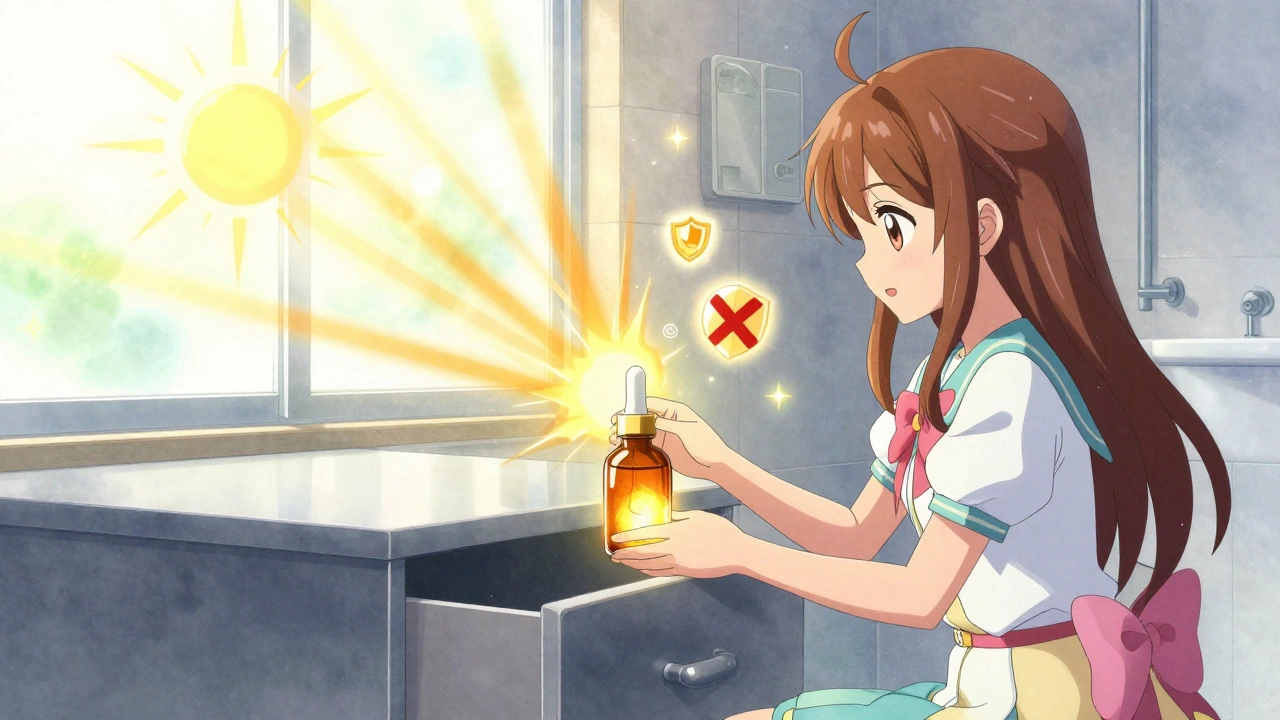
How to Store Light-Sensitive Medications and Eye Drops Properly
Learn how to properly store light-sensitive medications and eye drops to maintain their effectiveness. Avoid common mistakes like bathroom storage and clear containers, and discover the best practices for home and travel.
About
Medications
Latest Posts


Coping with a Duchenne Muscular Dystrophy Diagnosis: Tips for Parents
By Marcel Kornblum Jul 26, 2023

Fulvicin (Griseofulvin) vs. Top Antifungal Alternatives: What Works Best Today
By Marcel Kornblum Oct 30, 2025
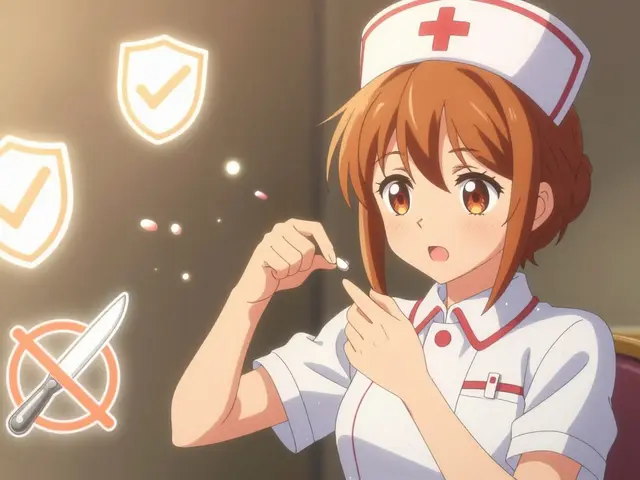
How to Avoid Contamination When Splitting or Crushing Pills
By Marcel Kornblum Feb 19, 2026