Fungal Nail Infection: Causes, Treatments, and What Actually Works
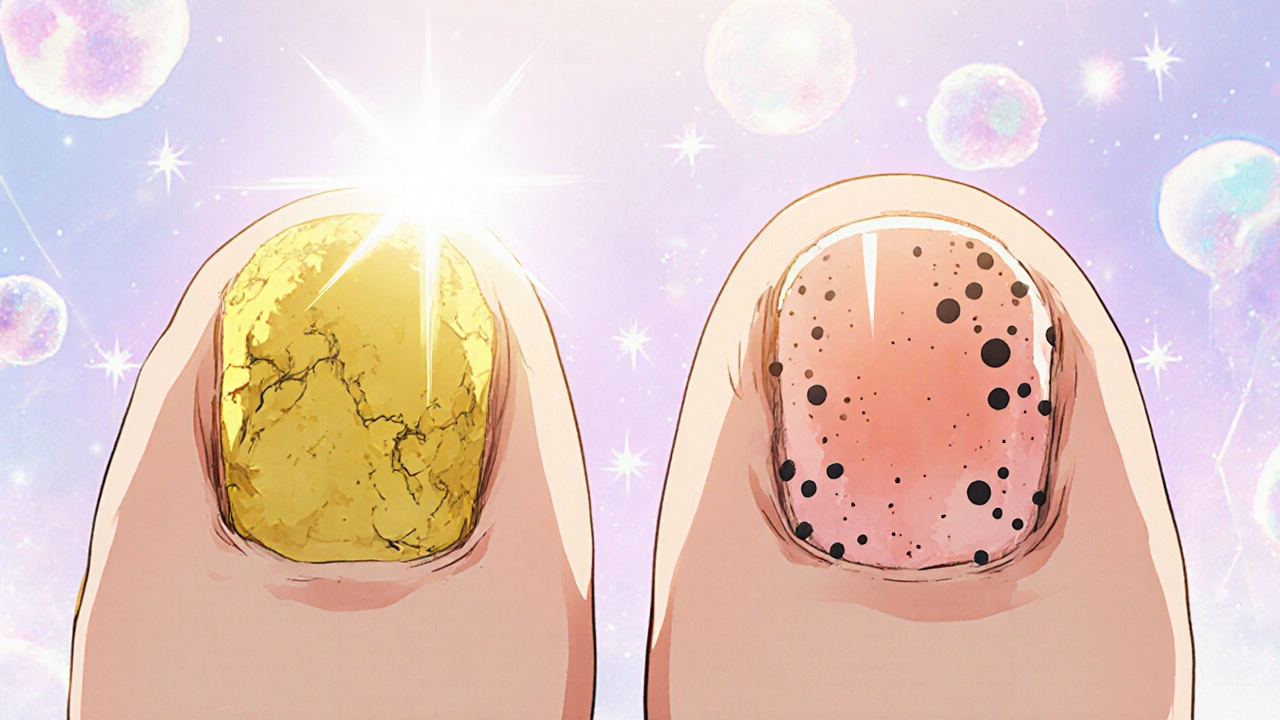
When your toenail turns yellow, thickens, or crumbles, it’s not just dirt—it’s likely a fungal nail infection, a common condition caused by fungi that thrive in warm, moist environments and invade the nail bed. Also known as onychomycosis, it doesn’t just look bad—it can hurt, make walking uncomfortable, and spread to other nails or even skin. Unlike a simple stain, this infection grows from the inside out, and over-the-counter creams rarely touch it. Most people try nail polish or vinegar soaks first, but those rarely work because the fungus hides under the nail, where topical treatments can’t reach.
That’s why effective treatment usually needs something stronger—like oral antifungals, medications taken by mouth that travel through the bloodstream to reach the nail root. Drugs like terbinafine, a fast-acting antifungal that kills fungi directly and is now the first-line choice for most cases and itraconazole, a cycle-based treatment that builds up in the nail over time, have replaced older drugs like griseofulvin, a slow, outdated antifungal with more side effects and lower success rates. These newer options work better, faster, and with fewer risks. But they’re not magic: you need to take them for months, even after the nail looks normal, because nails grow slowly and the fungus can hide deep down.
What’s often missed is how lifestyle and environment feed the problem. Wearing tight shoes, walking barefoot in gyms or pools, or having sweaty feet all create the perfect storm. Even a minor injury to the nail—like stubbing your toe—can let fungi sneak in. And if you’ve had athlete’s foot before, you’re already carrying the fungus. Treating the infection without fixing these habits means it’ll come back. That’s why success isn’t just about pills—it’s about hygiene, footwear, and patience.
You’ll find articles here that cut through the noise. Some compare the old-school drug griseofulvin with modern alternatives like terbinafine and fluconazole. Others explain why some people don’t respond to treatment, how to avoid side effects, and what to do when your insurance won’t cover the best meds. There’s even a guide on how to spot fake nail infections that look like fungus but are actually psoriasis or trauma. This isn’t a list of quick fixes. It’s a practical guide to what science says works—and what’s just wishful thinking.
Skin Care and Dermatology
11
Comments
Nail Disorders: How to Tell Fungal Infections Apart from Psoriatic Changes
Fungal nail infections and psoriatic nail changes look similar but require totally different treatments. Learn the key signs, diagnostic tests, and effective treatments for each condition to avoid misdiagnosis and wasted time.
About
Skin Care and Dermatology
Latest Posts

Nail Disorders: How to Tell Fungal Infections Apart from Psoriatic Changes
By Marcel Kornblum Nov 29, 2025

Best Safe Alternatives to Amoxicillin: Expert Guide on Switching Antibiotics
By Marcel Kornblum May 24, 2025

How to Confirm Allergies and Interactions at Medication Pickup: A Step-by-Step Guide for Patients and Pharmacists
By Marcel Kornblum Jan 8, 2026