INR and Green Tea: What You Need to Know About Blood Thinners and Herbal Interactions
When you're taking a blood thinner like warfarin, a vitamin K antagonist used to prevent dangerous blood clots. Also known as Coumadin, it requires careful monitoring because even small changes in diet or supplements can throw off your balance. One of those changes might be something you drink every day: green tea, a popular herbal beverage rich in antioxidants and vitamin K. It sounds harmless, maybe even healthy—but for people on warfarin, it’s not that simple.
The INR, a standardized measure of how long your blood takes to clot. is your lifeline when you're on anticoagulants. Doctors use it to make sure your dose is just right—not too high (risk of bleeding) and not too low (risk of clots). Green tea contains vitamin K, which directly opposes warfarin’s effect. But it’s not just the vitamin K. Green tea also has compounds that can interfere with how your liver breaks down warfarin, making the drug stronger or weaker depending on how much you drink and when. Studies have shown sudden increases in green tea intake can drop INR levels, putting you at higher risk for stroke or deep vein thrombosis. On the flip side, stopping green tea cold turkey can cause INR to spike, raising bleeding risk.
This isn’t about giving up green tea entirely. It’s about consistency. If you’ve been drinking two cups a day for months, keep doing that. Don’t suddenly switch to five cups. Don’t start drinking it only on weekends. Don’t swap it for matcha without telling your doctor. The same goes for other herbal teas, supplements like ginkgo or garlic, and even certain fruits like cranberry or grapefruit. Your body doesn’t care if something is "natural"—it only cares about the chemistry. That’s why people on warfarin need to treat their diet like a medication schedule: predictable, tracked, and discussed with their care team.
You’ll find real cases in the posts below—from people who saw their INR crash after starting green tea to those who stabilized once they cut back. There are also posts about how other herbs, supplements, and even over-the-counter painkillers can mess with your INR. You’ll learn how to spot early signs of imbalance, what tests to ask for, and how to talk to your pharmacist about what’s safe. This isn’t theoretical. These are the exact issues people face every day. And the solutions? Simple, but only if you know what to look for.
Medications
13
Comments
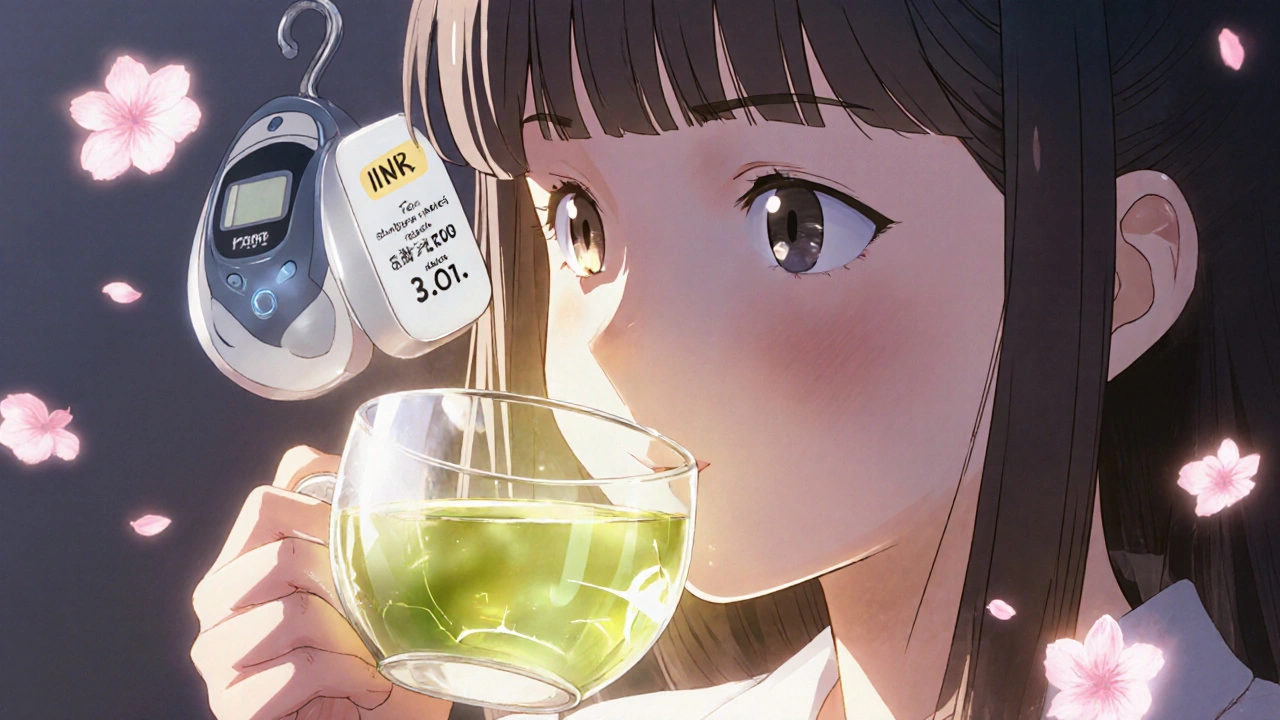
Green Tea and Warfarin: What You Need to Know About INR and Blood Clotting
Green tea can affect warfarin's effectiveness by changing your INR levels. Learn how much is safe, why matcha is riskier, and how to drink tea without putting your health at risk.
About
Medications
Latest Posts

Clarithromycin Drug Interactions: Dangerous Combinations to Avoid
By Marcel Kornblum Feb 25, 2026

Bepotastine for Allergy-Induced Asthma: Can it Help?
By Marcel Kornblum Apr 27, 2023

Top Online Pharmacy Alternatives in 2025 to CanadaDrugsDirect.com
By Marcel Kornblum Jan 6, 2025