Medication Adherence: Why Sticking to Your Prescriptions Matters
When you take your medicine exactly as your doctor tells you, that’s medication adherence, the practice of following a prescribed drug regimen without skipping, delaying, or stopping doses. Also known as drug compliance, it’s not just a checklist—it’s the single biggest factor in whether your treatment actually works. Skipping a dose here or there might seem harmless, but studies show that nearly half of people with chronic conditions don’t take their meds as directed. That’s not laziness—it’s usually confusion, cost, side effects, or just forgetting.
Why does this matter? If you’re on blood pressure medicine and skip doses, your risk of stroke goes up. If you stop antibiotics early, the infection comes back stronger. If you’re on antidepressants and quit because you feel better after a week, you might crash harder than before. Treatment effectiveness, how well a drug does its job in real life depends almost entirely on whether you take it right. And it’s not just about the drug itself—it’s about how your body reacts over time. Some people develop side effects like dizziness or nausea and stop taking their pills because they don’t know it’s temporary. Others can’t afford their meds and cut pills in half. These aren’t just personal choices—they’re systemic problems that lead to hospital visits, wasted money, and worse outcomes.
It’s not about willpower. It’s about systems. Simple things like pill organizers, phone reminders, or getting a 90-day supply instead of 30-day refills can make a huge difference. So can talking to your pharmacist about cheaper alternatives or switching to a once-daily pill. Side effects, unwanted reactions to medication that often cause people to quit are the #1 reason people stop taking their drugs—but most of them can be managed if you speak up early. You don’t have to suffer in silence.
Below, you’ll find real stories and science-backed advice on how to stay on track with your meds—whether you’re managing high blood pressure, epilepsy, depression, or something else. We cover what actually works, what doesn’t, and how to handle the obstacles that make adherence so hard. No fluff. Just what you need to keep your treatment on track.
Medications
9
Comments
How to Involve Family or Caregivers in Medication Support
Learn how family and caregivers can effectively support medication adherence using proven tools, routines, and communication strategies to prevent errors, reduce hospital visits, and improve health outcomes for older adults and those with chronic conditions.

Health and Wellness
15
Comments
How Support Groups and Community Programs Improve Medication Compliance
Support groups and community programs help people stick to their meds by offering real connection, practical tips, and peer encouragement-not just information. Studies show they cut missed doses and hospital visits, especially when culturally matched and well-facilitated.
About
Medications, Health and Wellness
Latest Posts


Garlic Supplements and Anticoagulants: What You Need to Know About Bleeding Risk
By Marcel Kornblum Jan 4, 2026
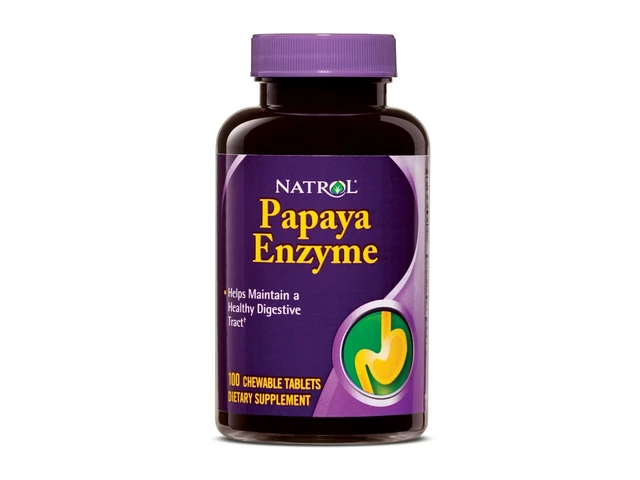
Improve Your Digestion and Boost Your Immunity with Papain
By Marcel Kornblum May 15, 2023
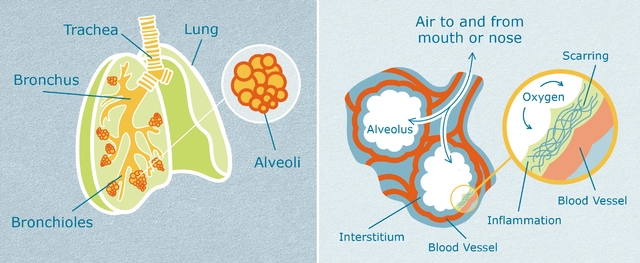
The Impact of Idiopathic Pulmonary Fibrosis on Relationships and Social Life
By Marcel Kornblum Apr 30, 2023