NSAIDs: What They Are, How They Work, and What You Need to Know
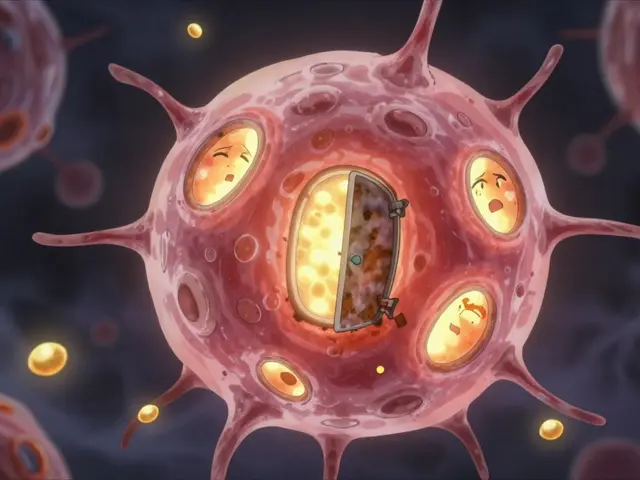
When you reach for ibuprofen or naproxen to ease a headache, sore muscles, or menstrual cramps, you’re using a type of medicine called NSAIDs, nonsteroidal anti-inflammatory drugs that reduce pain, fever, and inflammation. Also known as nonsteroidal anti-inflammatories, these are among the most widely used medications worldwide—but many people don’t know how they really work or what they might be risking.
NSAIDs block enzymes in your body called COX-1 and COX-2, which make chemicals that cause pain and swelling. That’s why they help with arthritis, sprains, and even mild fevers. But here’s the catch: blocking those same enzymes can also hurt your stomach lining, raise your blood pressure, or mess with your kidneys. Not every NSAID acts the same—some are stronger, some last longer, and some are safer for your gut than others. For example, naproxen might be easier on your heart than ibuprofen if you’re at risk for cardiovascular issues, while aspirin is often used for its blood-thinning effects, not just pain relief.
People often think of NSAIDs as harmless because they’re sold over the counter, but daily use—even at low doses—can lead to ulcers, kidney damage, or dangerous interactions with blood thinners like warfarin. And if you’re taking other meds for high blood pressure, heart failure, or depression, NSAIDs might make those less effective or even dangerous. That’s why some of the articles in this collection dig into real-world risks: how NSAIDs interact with supplements, why older adults need extra caution, and what to do if you’ve been taking them for months without checking in with your doctor.
What you’ll find here isn’t just a list of drugs. It’s a look at how these common painkillers fit into bigger health stories—like how they affect blood clotting, why some people react badly to certain ingredients, and what alternatives exist when NSAIDs aren’t safe anymore. Whether you’re managing chronic pain, dealing with a recent injury, or just wondering if your daily aspirin is still a good idea, these posts give you the facts without the fluff.
Medications
15
Comments
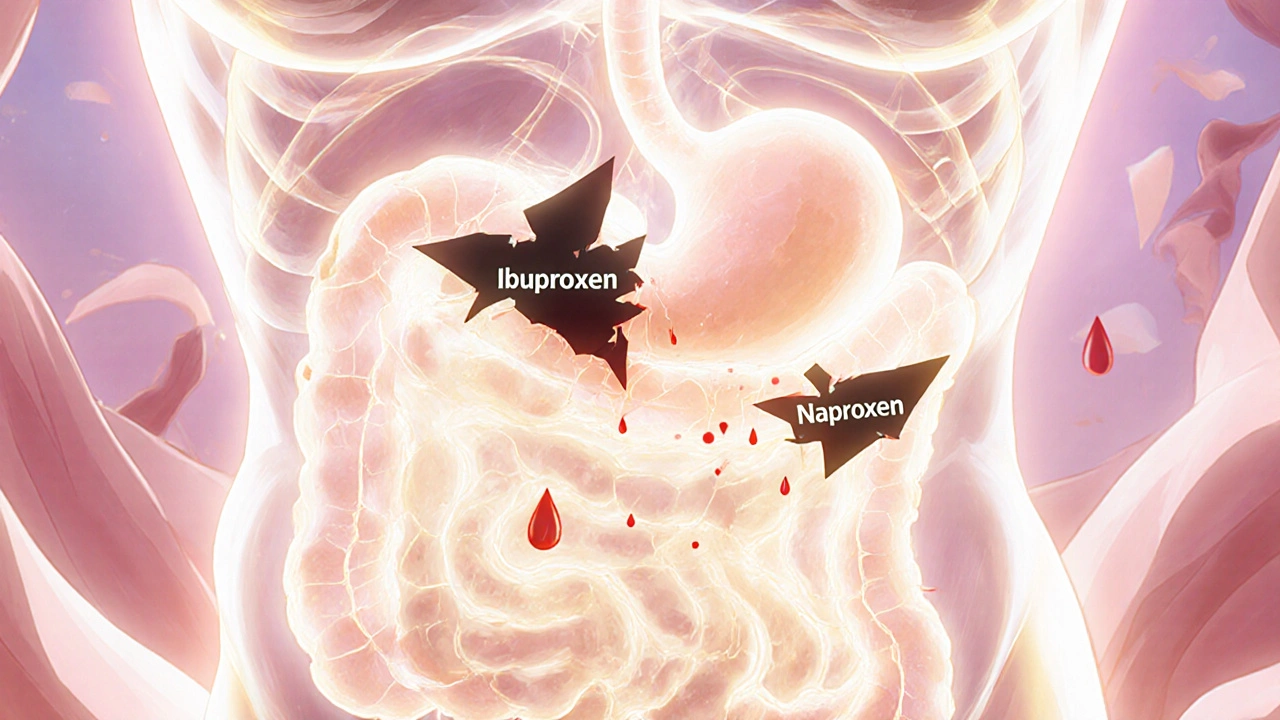
NSAIDs and Peptic Ulcer Disease: Understanding the Risk of Gastrointestinal Bleeding
NSAIDs like ibuprofen and naproxen can cause serious gastrointestinal bleeding, especially in older adults or those with risk factors. Learn how to recognize the signs, reduce your risk, and use safer alternatives.
About
Medications
Latest Posts


Anastrozole's Impact on Metabolism: Essential Facts
By Marcel Kornblum Sep 9, 2024

Generic Drug Patents: How Exclusivity Periods Vary by Country
By Marcel Kornblum Dec 22, 2025

How Steroids Manage Post‑Surgical Eye Inflammation - Complete Guide
By Marcel Kornblum Oct 13, 2025