Onychomycosis: What It Is, How It Spreads, and What Actually Works
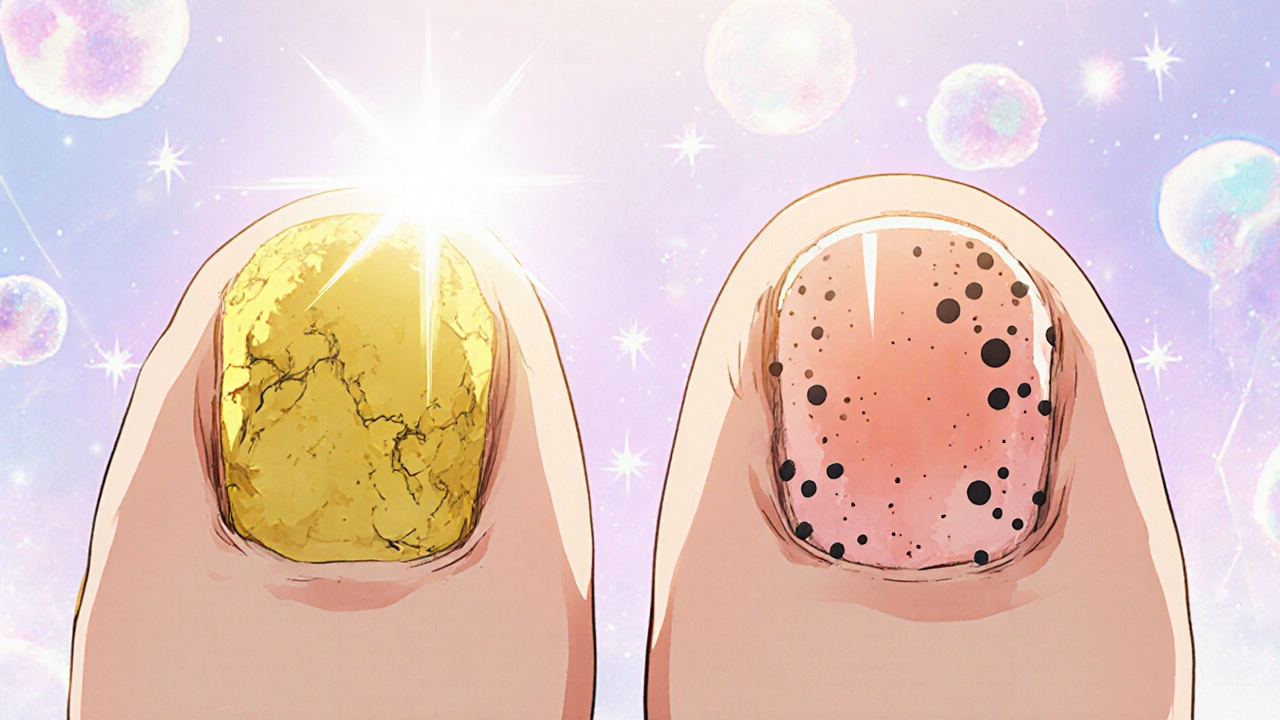
When your nails turn yellow, thick, and crumbly, it’s not just a cosmetic issue—it’s onychomycosis, a fungal infection of the nail bed that affects up to 10% of adults. Also known as toenail fungus, it’s not something you catch from walking barefoot in gyms alone—it’s often passed through shared towels, shoes, or even family members with undiagnosed infections. Unlike a simple stain or injury, this is a living fungus—usually Trichophyton rubrum—that digs into the nail plate and thrives in warm, damp environments. It won’t disappear on its own, and over-the-counter creams rarely touch it deep enough to work.
What makes onychomycosis so hard to treat is how slow-growing nails are. A fingernail takes about 6 months to fully grow out; a toenail? Up to 18. That means even if treatment kills the fungus, you still have to wait months to see clean nail growth. That’s why oral antifungals like griseofulvin were once the go-to—they work systemically, reaching the infection from inside. But newer drugs like terbinafine and itraconazole have largely replaced it because they clear the infection faster and with fewer side effects. Still, even the best pills won’t help if you keep wearing tight shoes, sharing nail clippers, or skipping follow-up care.
Many people try vinegar soaks, tea tree oil, or laser treatments because they sound natural. But studies show these rarely cure the infection—they might ease symptoms, but they don’t kill the fungus deep in the nail bed. The real solution? A combination of prescription antifungals, proper nail trimming, and lifestyle changes: keeping feet dry, rotating shoes, and avoiding public showers barefoot. And if you’ve tried everything and still see no change, it might not even be fungus—it could be psoriasis, eczema, or trauma. That’s why proper diagnosis matters.
Below, you’ll find real-world guides on what works, what doesn’t, and how to avoid the traps that keep people stuck in endless cycles of failed treatments—from comparing old drugs like Fulvicin to modern alternatives, to understanding why some people respond to treatment and others don’t. This isn’t theory. It’s what people actually use to get their nails back.
Skin Care and Dermatology
11
Comments
Nail Disorders: How to Tell Fungal Infections Apart from Psoriatic Changes
Fungal nail infections and psoriatic nail changes look similar but require totally different treatments. Learn the key signs, diagnostic tests, and effective treatments for each condition to avoid misdiagnosis and wasted time.
About
Skin Care and Dermatology
Latest Posts

The psychological impact of blood clots in stents: coping strategies and support
By Marcel Kornblum Jul 1, 2023
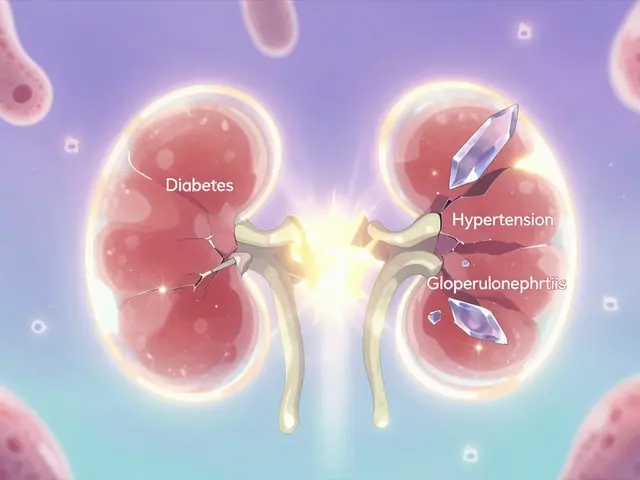
Kidney Failure Causes: How Diabetes, Hypertension, and Glomerulonephritis Damage Your Kidneys
By Marcel Kornblum Jan 7, 2026
The Use of Fusidic Acid in the Management of Cutaneous Leishmaniasis
By Marcel Kornblum May 21, 2023