Red Eyes: Causes, Treatments, and When to Worry
When your eyes turn red, it’s not just about appearance—it’s your body signaling something’s off. Red eyes, a common symptom caused by swollen or inflamed blood vessels on the eye’s surface. Also known as bloodshot eyes, it can come from simple irritation or point to an infection, allergy, or even a serious condition like glaucoma. Most people assume it’s just fatigue or allergies, but the truth is more complex. Red eyes aren’t a disease themselves—they’re a sign, and the cause changes everything.
One of the most common triggers is conjunctivitis, an inflammation of the thin layer covering the white part of the eye. Also called pink eye, it can be viral, bacterial, or allergic. Then there’s dry eye syndrome, a condition where your eyes don’t make enough tears or the tears evaporate too fast. It’s not just discomfort—it can damage the cornea over time. And if you’ve had eye surgery, eye steroids, like corticosteroid eye drops used to reduce inflammation, are often prescribed to prevent swelling—but they come with risks if misused.
What’s missing from most advice is the connection between red eyes and systemic issues. For example, red eyes can show up with autoimmune diseases like rheumatoid arthritis or lupus. Even something as simple as too much screen time can trigger inflammation by reducing blink rate. And while over-the-counter drops promise quick relief, many contain vasoconstrictors that make redness worse over time. The real fix isn’t masking the symptom—it’s finding the root.
You don’t need to panic every time your eyes look bloodshot. But if redness lasts more than a few days, comes with pain, vision changes, or discharge, you’re not dealing with just a tired eye. That’s when you need to look beyond the surface. Below, you’ll find clear, practical guides on what’s really going on—with posts that break down everything from steroid use after eye surgery to how supplements and medications can silently trigger redness. No fluff. Just what works—and what doesn’t.

Health and Wellness
9
Comments
Eye Allergies: How to Stop Itching and Redness with Antihistamine Drops
Learn how to stop itchy, red eyes from allergies with the best antihistamine eye drops, what to avoid, and simple steps to reduce exposure to pollen and dust. Effective, science-backed relief without risky shortcuts.
About
Health and Wellness
Latest Posts
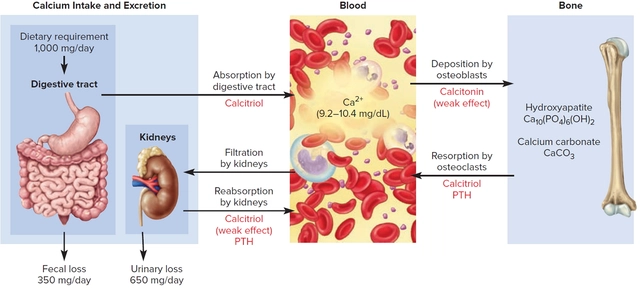
Understanding the side effects and risks of calcitonin therapy
By Marcel Kornblum May 29, 2023

Partial AUC in Bioequivalence: How Advanced Metrics Ensure Generic Drug Safety
By Marcel Kornblum Jan 3, 2026
Arimidex (Anastrozole) vs Other Aromatase Inhibitors: A Practical Comparison
By Marcel Kornblum Oct 2, 2025