Expiration Date Management: Keep Your Medications Safe and Effective
When you buy medicine, the expiration date, the last date the manufacturer guarantees the drug is fully potent and safe to use. Also known as use-by date, it’s not just a suggestion—it’s a safety line. Taking meds past this date doesn’t always mean they’ll hurt you, but they might not work at all. And in some cases, like insulin or antibiotics, that failure can be dangerous. Many people don’t check expiration dates until they’re in a hurry or the bottle looks old. But managing this simple detail can prevent wasted money, failed treatments, and even hospital visits.
Medication storage, how you keep your pills, liquids, and inhalers at home. Also known as drug storage practices, it directly affects how long your meds stay effective. Heat, humidity, and light can break down active ingredients faster than the expiration date suggests. Storing pills in the bathroom? That’s a bad idea—steam from showers degrades tablets. Keeping them in a hot car or near a window? That’s risky too. The best place is a cool, dry drawer—not the medicine cabinet. Some drugs, like eye drops or certain antibiotics, need refrigeration. Others, like nitroglycerin, lose strength if exposed to air. Your expired drugs, medications past their labeled use date. Also known as out-of-date pills, they should never be kept around just in case are a hidden hazard. You might think, "I’ll use it if I need it," but a weakened antibiotic won’t kill an infection. A degraded EpiPen might not save your life. And mixing old and new pills in the same container? That’s how people accidentally take the wrong dose.
Drug safety, the practice of using medications correctly to avoid harm. Also known as medication safety, it includes knowing when to toss something, how to dispose of it properly, and how to track what you have. Many families keep old meds in drawers, cabinets, or even purses—sometimes for years. A 2021 study found nearly 40% of households had at least one expired prescription. That’s not just clutter—it’s a risk. Kids, pets, or visitors might grab something they shouldn’t. And if you’re taking multiple drugs, mixing old ones with new ones can cause dangerous interactions. Simple habits make a big difference: write the date you opened a bottle on the label. Use a pill organizer with dates. Set a phone reminder once a year to clean out your medicine cabinet. Don’t flush pills unless the label says to—most should go to a drug take-back program.
Expiration date management isn’t about being paranoid. It’s about being smart. It’s about knowing your meds are working the way they should. It’s about protecting your health, your family, and your wallet. In the posts below, you’ll find real-world advice on how to store light-sensitive eye drops, how to handle generic substitutions that affect potency, how to organize meds in shared homes, and what to do when a drug’s expiration date clashes with your travel plans. These aren’t theoretical tips—they’re what people actually use to stay safe and get the most out of their prescriptions.
Medications
11
Comments
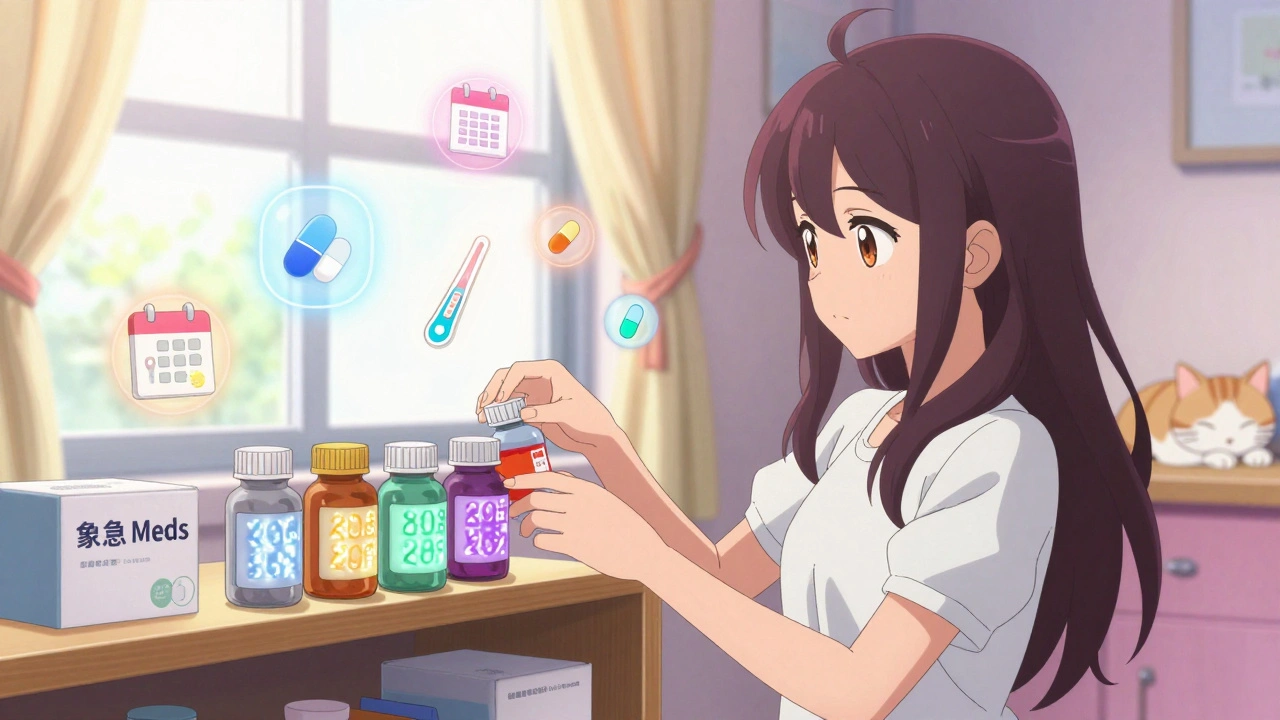
How to Create a Medication Expiration Review Schedule
Learn how to create a simple, effective medication expiration review schedule to ensure safety, avoid waste, and prevent dangerous mistakes with expired drugs. Practical steps for home use.
About
Medications
Latest Posts

Clarithromycin Drug Interactions: Dangerous Combinations to Avoid
By Marcel Kornblum Feb 25, 2026
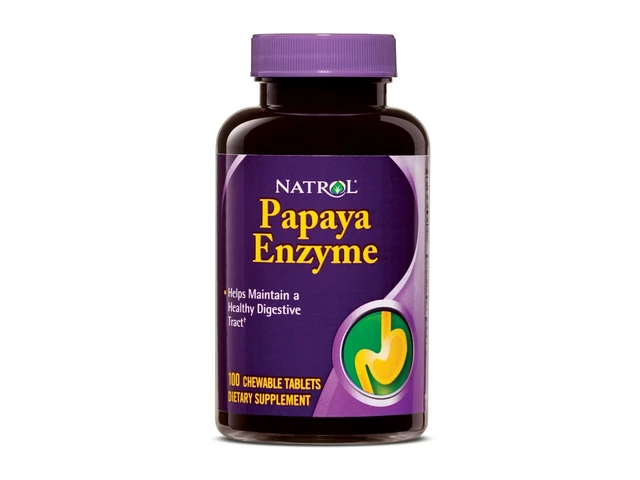
Improve Your Digestion and Boost Your Immunity with Papain
By Marcel Kornblum May 15, 2023
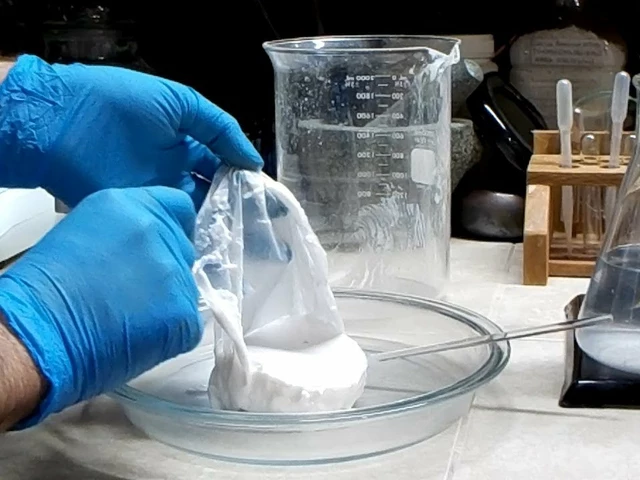
Aluminium Hydroxide in Food: Is it Safe?
By Marcel Kornblum Jun 18, 2023