Eye Drops Storage: How to Keep Your Eye Medication Safe and Effective
When you use eye drops, liquid medication applied directly to the eye to treat infections, allergies, glaucoma, or dryness. Also known as ophthalmic solutions, they’re one of the most common ways to deliver medicine directly where it’s needed. But if you don’t store them right, they can go bad fast—losing power, growing bacteria, or even hurting your eyes. It’s not just about the expiration date on the bottle. Where you keep them, how you close the cap, and even how long you’ve had them open all matter.
Many people think all eye drops are the same—pop them in the medicine cabinet and forget. But that’s risky. Some need to be kept in the fridge, especially ones with preservatives that break down at room temperature. Others, like certain glaucoma meds, are fine on the counter. If you leave a bottle in a hot car or next to a sunny window, heat and light can change the chemical balance. That means your drops might not work, or worse, they could cause irritation or infection. Even something as simple as touching the dropper tip to your eye can introduce germs. Once that happens, the whole bottle becomes a breeding ground, no matter how fresh it seems.
And don’t assume that just because the bottle says "use within 28 days" after opening, you’re safe. Some people stretch that out—especially if they’re on a tight budget or forget to track when they opened it. But studies show that after 4 weeks, even preserved eye drops can harbor harmful microbes. The FDA and eye doctors agree: when in doubt, throw it out. Reusing old drops isn’t worth the risk of corneal ulcers or vision loss. Also, never share eye drops. Not with family, not with friends. It’s not just unsanitary—it’s dangerous.
There’s also a big difference between single-use vials and multi-dose bottles. Single-use ones are designed to be opened and tossed after one use. No refrigeration needed. Multi-dose bottles? Those need careful handling. Always write the opening date on the label. Keep them in a cool, dry place—not the bathroom, where steam and moisture make things worse. If your doctor says to refrigerate, do it. Cold helps preserve the medicine and can feel soothing on irritated eyes. But don’t freeze them. That can damage the formula.
What about travel? If you’re flying, keep your eye drops in your carry-on. Checked baggage can get too cold or too hot. TSA lets you bring more than 3.4 ounces if it’s a medically necessary liquid—but you still need to declare it. And always carry a backup. If you lose or damage a bottle, you don’t want to go without your meds for days.
Below, you’ll find real advice from people who’ve been there—what works, what doesn’t, and what experts actually recommend. From how to tell if your drops have gone bad to why some brands last longer than others, these posts cut through the noise and give you straight answers. No fluff. Just what you need to protect your eyes and get the most out of your treatment.
Medications
8
Comments
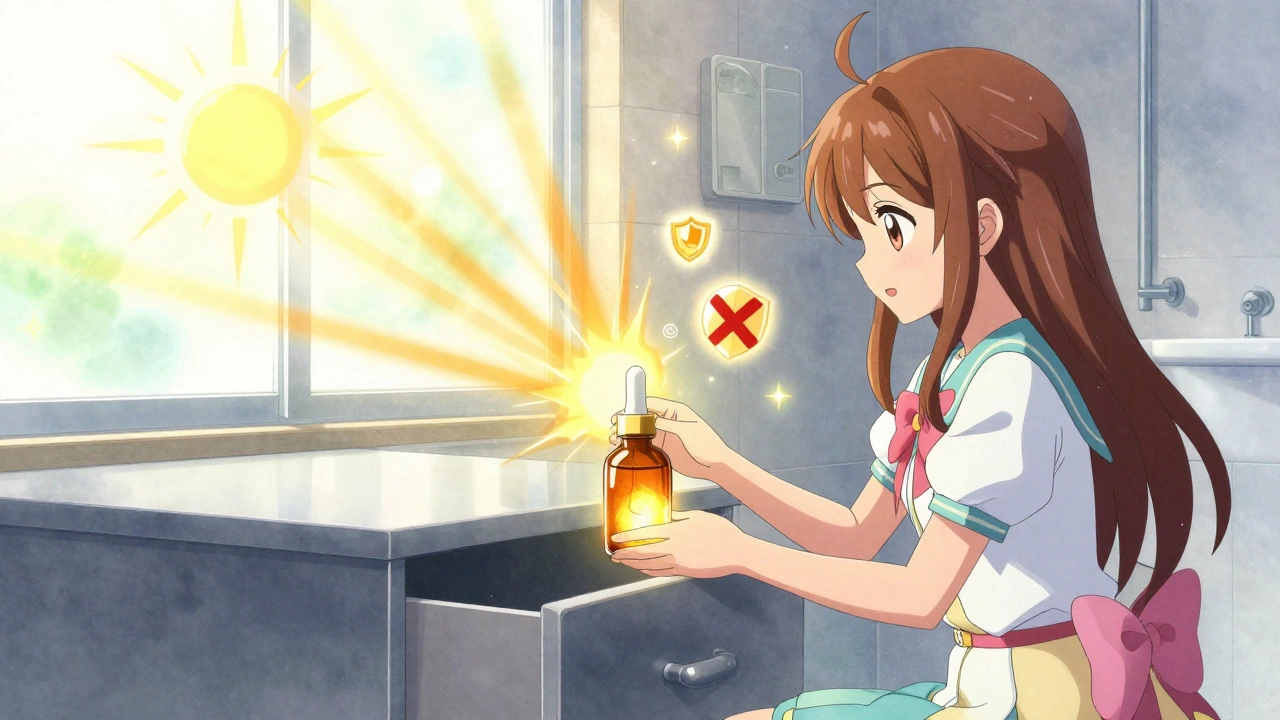
How to Store Light-Sensitive Medications and Eye Drops Properly
Learn how to properly store light-sensitive medications and eye drops to maintain their effectiveness. Avoid common mistakes like bathroom storage and clear containers, and discover the best practices for home and travel.
About
Medications
Latest Posts


How Massage Therapy Helps Reduce Chronic Diarrhea Symptoms
By Marcel Kornblum Nov 18, 2025

Ergonomics for Joint Health: Workstation and Posture Tips to Reduce Pain
By Marcel Kornblum Feb 13, 2026

Eating Disorders: Understanding Anorexia, Bulimia, and What Actually Works in Treatment
By Marcel Kornblum Dec 15, 2025