Gallstone Treatment: What Works, What Doesn't, and What You Need to Know
When gallstones, hard deposits that form in the gallbladder from bile components. Also known as biliary stones, they can cause sudden, intense pain under the right rib cage—often after eating fatty food. Many people assume surgery is the only answer, but that’s not always true. Gallstones are common—about 10-15% of adults have them—but most never have symptoms. The real question isn’t whether you have them, it’s whether they’re causing trouble.
If you’re in pain, your doctor will look at more than just the stones. They’ll check if they’re blocking the bile duct, the tube that carries bile from the liver and gallbladder to the small intestine. A blocked duct can lead to jaundice, infection, or pancreatitis. That’s when things get serious. For mild cases, pain meds and diet changes might be enough. But if the pain keeps coming back, or if you’ve had complications, cholecystectomy, the surgical removal of the gallbladder is the most reliable fix. It’s one of the most common surgeries in the U.S., done laparoscopically in most cases, with patients going home the same day.
There’s no magic pill to dissolve gallstones fast. Drugs like ursodiol work only on small, cholesterol-based stones—and even then, it takes months, and the stones often come back after you stop. Shockwave therapy? Rarely used now. Natural remedies like apple cider vinegar or lemon juice? No solid evidence they help. What does work is avoiding trigger foods (fried, greasy, heavy dairy), eating more fiber, and keeping your weight steady. Rapid weight loss can actually make gallstones worse.
Some people think removing the gallbladder means you’ll never digest fat again. That’s not true. Your liver still makes bile—it just flows directly into the intestine instead of being stored. Most people adjust fine. A few get looser stools at first, but that usually settles in a few weeks. The bigger risk is leaving stones in place if they’re causing damage. One study found that people with repeated gallbladder attacks had a 10% chance of developing serious complications within five years if they didn’t get surgery.
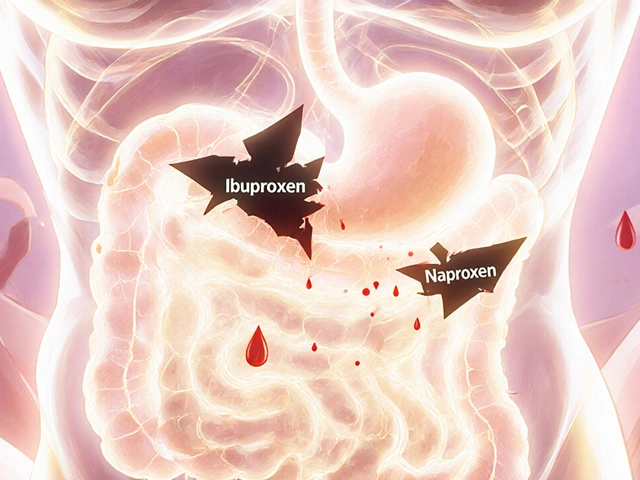
What you’ll find below isn’t a list of miracle cures. It’s a collection of real, practical articles that cut through the noise. You’ll read about how gallstone treatment connects to other conditions—like how NSAIDs can worsen inflammation, how diet affects bile flow, and why some people are more prone to stones based on genetics or ethnicity. There’s no fluff. Just clear, tested info on what actually helps, what doesn’t, and what you should ask your doctor next time you’re in the office.

Medications
15
Comments
Actigall (Ursodiol) vs Alternatives: What Works Best for Gallstones and Liver Issues
Actigall (ursodiol) helps dissolve gallstones and treat liver disease, but it’s not the only option. Compare it to generics, surgery, and other meds to find what works best for you.
About
Medications
Latest Posts
How to Confirm Allergies and Interactions at Medication Pickup: A Step-by-Step Guide for Patients and Pharmacists
By Marcel Kornblum Jan 8, 2026
Radiation Therapy: How Radiation Destroys Cancer Cells at the DNA Level
By Marcel Kornblum Jan 5, 2026
Buy Cheap Generic Lisinopril Online - Fast, Safe & Affordable Options
By Marcel Kornblum Oct 14, 2025