Generic Substitution: What You Need to Know About Switching Medications
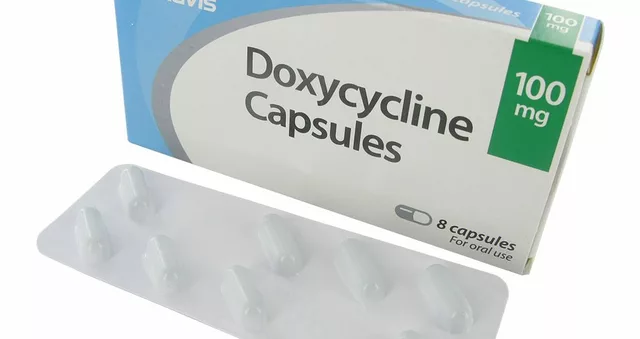
When your pharmacist hands you a different pill bottle with the same active ingredient but a new name, that’s generic substitution, the practice of replacing a brand-name drug with a chemically identical generic version. Also known as drug substitution, it’s a standard part of modern pharmacy practice designed to cut costs without sacrificing effectiveness. But here’s the thing: just because two pills have the same active ingredient doesn’t mean they feel the same to your body.
Behind every generic drug is a list of inactive ingredients, also called excipients—fillers, dyes, binders, and coatings that help the drug work but don’t treat your condition. Also known as pharmaceutical excipients, these can affect how fast the medicine dissolves, how well your body absorbs it, or even trigger reactions in sensitive people. That’s why some folks report different side effects or reduced effectiveness after switching from brand to generic. It’s not in your head. Studies show differences in absorption rates between generics, especially for drugs with narrow therapeutic windows like thyroid meds, seizure drugs, or blood thinners.
Drug equivalence, the legal standard that generics must meet to be approved, means they must deliver the same amount of active ingredient into your bloodstream within a certain range. But that range? It’s wide—up to 20% higher or lower than the brand. For most people, that’s fine. For others—especially those on multiple meds, with kidney or liver issues, or chronic conditions—it adds up. That’s why you’ll see posts here comparing brand-name drugs, the original medications developed by pharmaceutical companies. Also known as originator drugs, they’re often the benchmark for how a medicine should work in practice. You’ll find real comparisons: how Zyvox stacks up against its generic linezolid, why some switch from Aggrenox to plain aspirin and dipyridamole, or why people on cyclosporine track their levels closely after a generic switch.
And it’s not just about pills. You’ll see how pharmaceutical alternatives, other drugs used when a generic isn’t suitable or available. Also known as therapeutic alternatives, they’re the next step when substitution doesn’t work. Whether it’s swapping Fulvicin for terbinafine, choosing between different forms of adapalene, or picking a new antifungal after a reaction, the goal is always the same: get you the right result without unnecessary risk or cost.
This collection isn’t about pushing generics or shaming brands. It’s about giving you the facts so you can decide. If your blood pressure jumps after switching lisinopril, if your acne flares with a new adapalene gel, or if you feel foggy after changing atomoxetine brands—you’re not imagining it. You’re not alone. And you don’t have to just accept it. You have the right to ask questions, track changes, and demand the right fit for your body.
Below, you’ll find real stories, side-by-side comparisons, and practical guides on when to stick with what works, when to try something new, and how to spot the red flags in a generic switch. No fluff. No marketing. Just what you need to know before the next prescription fills.
Medications
14
Comments
Managing Therapeutic Equivalents in Combination Drugs: Dose Considerations and Real-World Risks
Managing therapeutic equivalence in combination drugs requires more than matching doses. Small formulation differences can alter effectiveness and safety - especially with narrow therapeutic index drugs. Learn how to spot risks and prevent errors.

Medications
15
Comments
State Laws on Generic Drug Substitution: How Rules Vary Across the U.S.
State laws on generic drug substitution vary widely across the U.S., affecting how pharmacists swap brand-name drugs for cheaper generics. From mandatory substitution to patient consent rules, understanding your state’s laws can save money - or protect your health.

Medications
14
Comments
Antiseizure Medications and Generic Substitution: Risks and Best Practices
Generic antiseizure medications can save money, but for NTI drugs like lamotrigine and carbamazepine, even small changes in absorption can trigger seizures. Learn the risks, who’s most vulnerable, and how to protect your treatment.
About
Medications
Latest Posts


Boost Multitasking and Cognitive Flexibility with Galantamine
By Marcel Kornblum Oct 15, 2025
Buy Cheap Generic Acetaminophen Online - Safe Tips & Best Sources
By Marcel Kornblum Sep 28, 2025

Emergency Use of Sub-Potent Expired Medications: When It’s Safe and When It’s Not
By Marcel Kornblum Jan 19, 2026