Ibuprofen: Uses, Risks, and What You Need to Know Before Taking It
When you reach for ibuprofen, a nonsteroidal anti-inflammatory drug used to reduce pain, fever, and inflammation. Also known as NSAID, it’s one of the most taken medications worldwide—found in everything from Advil to generic store brands. But just because it’s over-the-counter doesn’t mean it’s safe for everyone.
Many people think ibuprofen is just a quick fix for headaches or sore muscles, but it does more than mask symptoms. It blocks enzymes that cause swelling and pain, which is why it helps with arthritis, menstrual cramps, and even minor injuries. But that same mechanism can irritate your stomach lining, raise blood pressure, or hurt your kidneys if you take it too often or in high doses. And if you’re on blood thinners, antidepressants, or even some herbal supplements, ibuprofen can turn harmless into dangerous. Studies show that long-term users have a higher chance of stomach bleeding—even if they’ve never had an issue before.
It’s not just about the dose. Timing matters too. Taking it on an empty stomach? That’s a fast track to upset. Mixing it with alcohol? That’s asking for trouble. And if you’re over 65, have heart disease, or take other meds daily, ibuprofen might not be the best choice. Alternatives like acetaminophen or topical creams could be safer, depending on your health. The real question isn’t whether it works—it’s whether it’s right for you right now.
You’ll find articles here that dig into exactly how ibuprofen interacts with other drugs, why some people get stomach issues while others don’t, and what hidden risks come with daily use. Some posts look at how it compares to other pain relievers. Others show how it affects older adults or people with chronic conditions. There’s even one about how inactive ingredients in different brands can trigger reactions in sensitive people. This isn’t just a list of uses—it’s a guide to using ibuprofen without putting your health at risk.
Medications
15
Comments
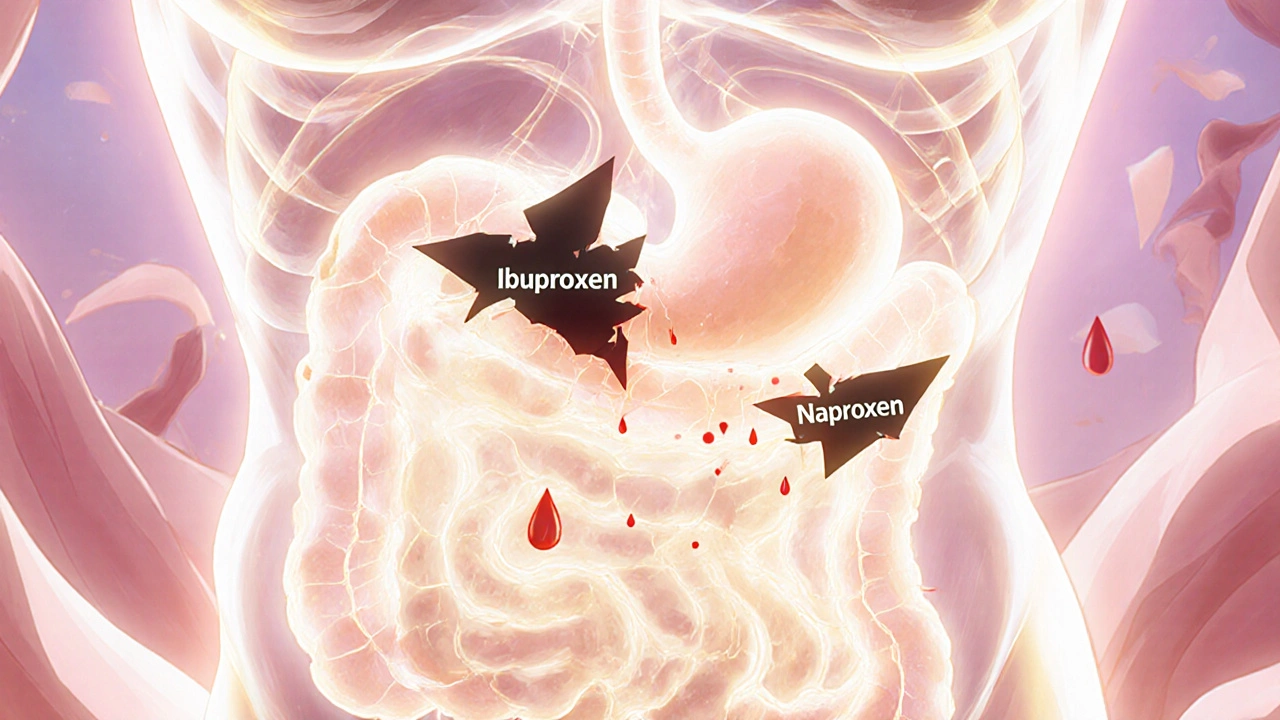
NSAIDs and Peptic Ulcer Disease: Understanding the Risk of Gastrointestinal Bleeding
NSAIDs like ibuprofen and naproxen can cause serious gastrointestinal bleeding, especially in older adults or those with risk factors. Learn how to recognize the signs, reduce your risk, and use safer alternatives.
About
Medications
Latest Posts


Authorized Generics: How Brand Drug Companies Respond to Patent Expiration
By Marcel Kornblum Dec 1, 2025

Anastrozole's Impact on Metabolism: Essential Facts
By Marcel Kornblum Sep 9, 2024

How Acetyl-L-Carnitine Affects Blood Pressure and Circulation
By Marcel Kornblum Nov 1, 2025