Peptic Ulcer: Causes, Treatments, and What You Need to Know
When your stomach or upper intestine develops a sore, it’s called a peptic ulcer, a break in the lining of the stomach, duodenum, or esophagus caused by acid damage. Also known as a stomach ulcer, it’s not just discomfort—it’s a sign your body’s natural defenses are overwhelmed. Most people think stress or spicy food causes it, but the real culprits are far more specific: H. pylori, a bacteria that lives in the gut and weakens the protective mucus layer and NSAIDs, common painkillers like ibuprofen and aspirin that block stomach-protecting chemicals. These two factors explain over 90% of cases.
Left untreated, a peptic ulcer doesn’t just hurt—it can bleed, perforate, or block food from moving through your digestive tract. That’s why knowing the signs matters: burning pain between meals or at night, bloating, nausea, and sometimes dark or bloody stools. It’s not something you wait out. Treatment usually starts with antibiotics to kill H. pylori, paired with proton pump inhibitors, medications that shut down acid production so the ulcer can heal. If NSAIDs are the cause, stopping them—even temporarily—is often the fastest way to recovery. Some people need to switch to acetaminophen for pain relief. It’s not about avoiding all meds—it’s about choosing the right ones for your gut.
You’ll find real-world advice here on how these conditions interact with other drugs, what to avoid when healing, and how to spot hidden risks. Whether you’re managing a recent diagnosis, dealing with recurring pain, or just trying to understand why your stomach reacts to certain pills, the posts below give you the facts without the fluff. No guesses. No myths. Just what works—and what doesn’t.
Medications
15
Comments
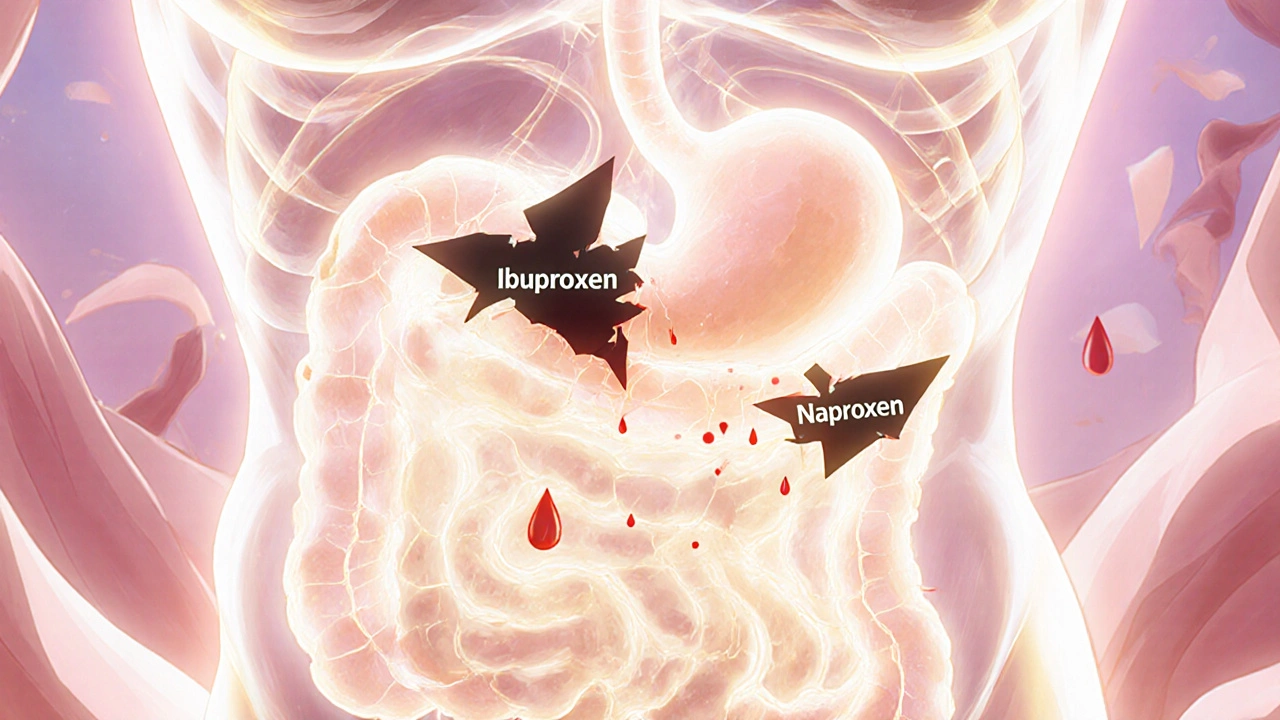
NSAIDs and Peptic Ulcer Disease: Understanding the Risk of Gastrointestinal Bleeding
NSAIDs like ibuprofen and naproxen can cause serious gastrointestinal bleeding, especially in older adults or those with risk factors. Learn how to recognize the signs, reduce your risk, and use safer alternatives.
About
Medications
Latest Posts
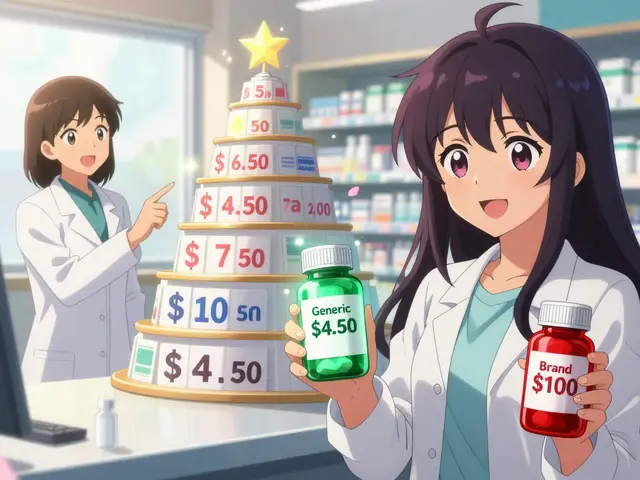
Generic Copays vs Brand Copays: Average 2024 Costs Explained
By Marcel Kornblum Jan 27, 2026

Canada Pharmacy Link Alternatives: Top Options You Should Know
By Marcel Kornblum Mar 22, 2025

Partial AUC in Bioequivalence: How Advanced Metrics Ensure Generic Drug Safety
By Marcel Kornblum Jan 3, 2026