Statin Safety: What You Need to Know About Side Effects, Genetics, and Real-World Risks
When you hear statin safety, the collective understanding of how safe and tolerable cholesterol-lowering drugs like atorvastatin, rosuvastatin, and pitavastatin are for long-term use. Also known as statin tolerance, it's not just about whether the drug lowers LDL—it's whether your body can handle it without muscle pain, liver stress, or new-onset diabetes. Millions take statins every day, but not everyone knows the real risks—or how to tell if they’re one of the people who shouldn’t be on them.
One of the biggest blind spots in statin safety is pharmacogenomics, how your genes affect how your body processes medications. For example, the SLCO1B1 gene controls how statins enter your liver. If you have a certain variation, even a standard dose can flood your muscles with the drug, leading to painful, sometimes dangerous muscle damage. Studies show people with this genetic variant are up to four times more likely to need to stop statins because of side effects. This isn’t rare—it’s common enough that testing for SLCO1B1 before starting a statin could prevent thousands of unnecessary reactions each year.
Then there’s the diabetes risk. Not all statins are equal here. pitavastatin, a statin with a more favorable metabolic profile. Also known as LDL cholesterol reducer, it’s been shown in clinical trials to have the lowest chance of raising blood sugar compared to atorvastatin or rosuvastatin. If you’re prediabetic or have metabolic syndrome, choosing the right statin matters more than you think. It’s not just about lowering cholesterol—it’s about not accidentally triggering another chronic condition.
And let’s be clear: muscle aches aren’t always just "normal." Many people stop statins because their legs feel tired or their shoulders ache, but they don’t realize it could be statin-induced myopathy. Blood tests for CK (creatine kinase) can confirm it. Most doctors don’t order them unless symptoms are severe—but if you’ve had unexplained muscle pain since starting a statin, it’s worth asking. Sometimes switching to a lower dose, a different statin, or even a non-statin option like ezetimibe or PCSK9 inhibitors is the smarter move.
Statin safety isn’t a one-size-fits-all checklist. It’s personal. It’s genetic. It’s tied to your age, your liver, your activity level, and even what else you’re taking. That’s why so many of the articles below dive into the details: how to talk to your doctor about staying on a brand version if generics cause issues, how to spot early signs of muscle damage, how certain foods or supplements might worsen side effects, and how to use genetic testing to make smarter choices. You’re not just taking a pill—you’re managing a biological interaction. And knowing how it works gives you real power over your health.
Medications
11
Comments
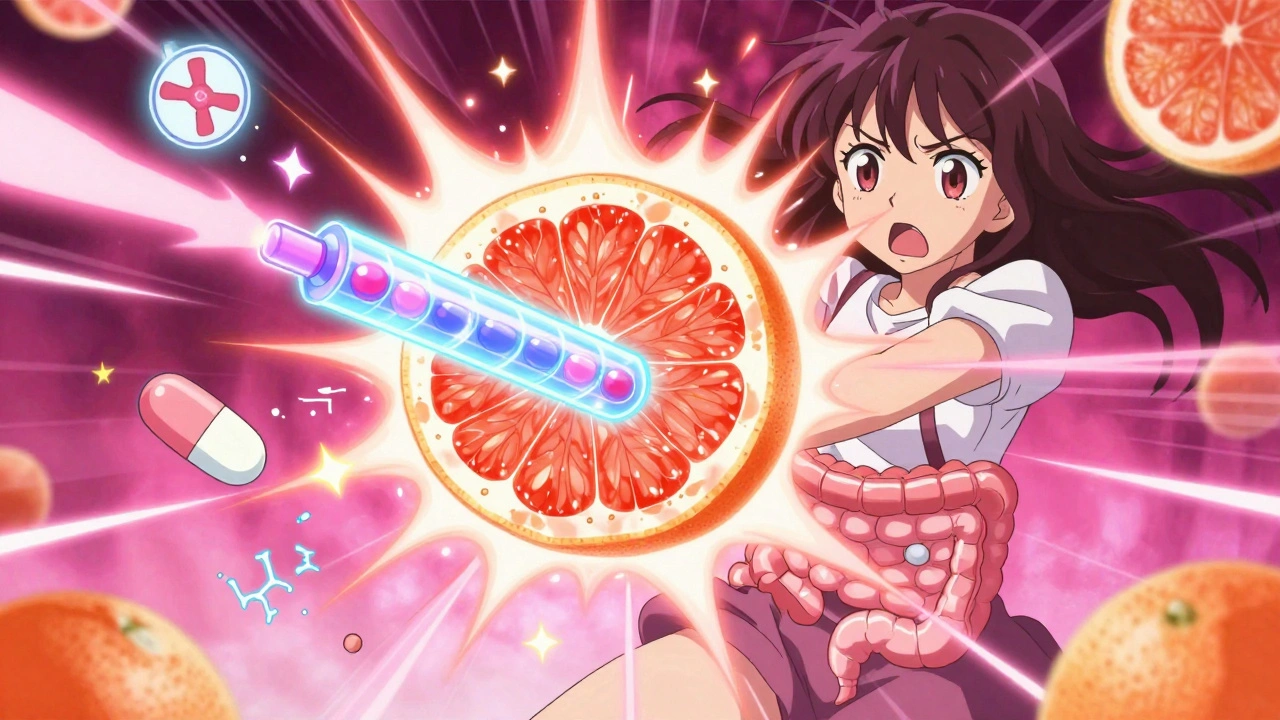
Grapefruit and Statins: What You Need to Know About the Dangerous Interaction
Grapefruit can dangerously increase statin levels in your blood, raising the risk of muscle damage and kidney failure. Learn which statins are risky, what to do if you eat grapefruit, and safer alternatives.
About
Medications
Latest Posts


Arcalion (Sulbutiamine) vs Top Alternatives - Benefits, Risks & Best Uses
By Marcel Kornblum Oct 21, 2025

Discover Top Levitra Discounts and Deals for Your Health
By Marcel Kornblum Dec 28, 2024
History of Generic Drugs in the United States: How They Became 90% of Prescriptions
By Marcel Kornblum Mar 19, 2026