2025/11 Archive: Medication Safety, Genetic Testing, and Real-World Drug Effects
When it comes to medication safety, the practice of using drugs in ways that minimize harm while maximizing benefit. Also known as drug safety, it’s not just about avoiding side effects—it’s about understanding how your body, genetics, and daily habits shape what happens when you take a pill. In November 2025, the focus wasn’t on new drugs, but on the quiet dangers hiding in plain sight: a green tea habit messing with blood thinners, a generic seizure med triggering seizures, or a common painkiller causing internal bleeding. These aren’t rare cases. They’re everyday risks that get ignored because we assume "if it’s on the shelf, it’s safe."
Pharmacogenetic testing, using your DNA to predict how you’ll respond to medications. Also known as gene-drug testing, it’s no longer science fiction—it’s a tool that cuts adverse reactions by 30%, according to real studies. This isn’t just for cancer patients. If you’ve ever had muscle pain from statins or weird side effects from an antidepressant, your genes might be the reason. And it’s not just about genetic testing for cancer, identifying inherited risks like BRCA or Lynch syndrome before cancer develops. It’s also about knowing if your body breaks down warfarin too fast, or if you’re at risk for hyponatremia from SSRIs. These tests don’t just inform treatment—they can save your life. Meanwhile, medication compliance, how well people stick to their prescribed treatment plans isn’t solved by reminders or apps. Real data shows it’s solved by people—peer support groups, culturally matched programs, and community networks that make people feel seen. When someone shares how they managed their overactive bladder with darifenacin without the dry mouth nightmare, that’s more powerful than any pamphlet.
And then there’s the system itself. Generic drug prices aren’t set by supply and demand—they’re set behind closed doors by Pharmacy Benefit Managers using spread pricing and clawbacks that often make cash payers pay less than insured patients. Meanwhile, congressional bills meant to fix drug shortages are stuck because of political gridlock. You can’t control politics, but you can control what you know. This archive gives you the facts: how excipients in pills might trigger reactions, why race affects cancer outcomes, how massage helps chronic diarrhea by calming your gut-brain axis, and how patch testing can finally end that stubborn skin rash you’ve lived with for years. These aren’t theoretical debates. These are the things that affect whether you feel better tomorrow—or end up in the ER. What follows isn’t just a list of articles. It’s your field guide to navigating meds in a world that rarely explains the real risks.

Skin Care and Dermatology
11
Comments
Nail Disorders: How to Tell Fungal Infections Apart from Psoriatic Changes
Fungal nail infections and psoriatic nail changes look similar but require totally different treatments. Learn the key signs, diagnostic tests, and effective treatments for each condition to avoid misdiagnosis and wasted time.

Medications
9
Comments
Genetic Factors in Statin Tolerance: How Pharmacogenomics Testing Can Help
Genetic testing for statin tolerance can help identify people at high risk of muscle side effects. Learn how the SLCO1B1 gene affects statin metabolism and what to do if you’ve had bad reactions.

Health Conditions
11
Comments
Genetic Testing for Cancer Risk: BRCA, Lynch, and Beyond
Genetic testing for BRCA, Lynch syndrome, and other inherited cancer genes can reveal your risk before cancer develops. Learn who should be tested, what the results mean, and how it changes prevention and treatment.

Health and Wellness
15
Comments
How Support Groups and Community Programs Improve Medication Compliance
Support groups and community programs help people stick to their meds by offering real connection, practical tips, and peer encouragement-not just information. Studies show they cut missed doses and hospital visits, especially when culturally matched and well-facilitated.
Medications
15
Comments
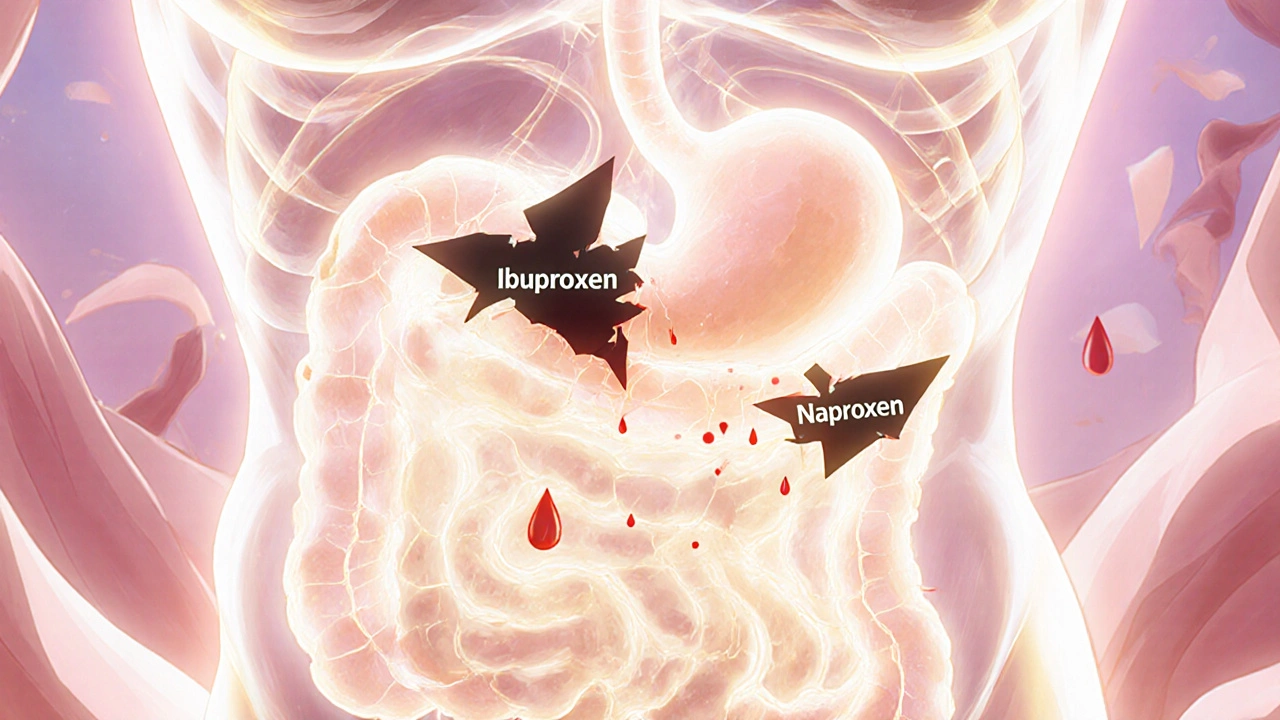
NSAIDs and Peptic Ulcer Disease: Understanding the Risk of Gastrointestinal Bleeding
NSAIDs like ibuprofen and naproxen can cause serious gastrointestinal bleeding, especially in older adults or those with risk factors. Learn how to recognize the signs, reduce your risk, and use safer alternatives.

Medications
8
Comments
Congressional Bills to Tackle Drug Shortages: What’s Really in the Works
Two congressional bills aim to fix worsening drug shortages, but both are stuck in limbo due to the longest government shutdown in U.S. history. Here's what they do - and why they might never pass.

Medications
13
Comments
Green Tea and Warfarin: What You Need to Know About INR and Blood Clotting
Green tea can affect warfarin's effectiveness by changing your INR levels. Learn how much is safe, why matcha is riskier, and how to drink tea without putting your health at risk.

Skin Care and Dermatology
9
Comments
Contact Dermatitis: How to Identify and Avoid Allergens That Trigger Skin Reactions
Learn how to identify and avoid the allergens causing your stubborn skin rash. Patch testing is the only reliable way to find the trigger-and avoiding it can clear your skin for good.

Medications
11
Comments
Older Adults on SSRIs: How to Prevent Hyponatremia and Falls
SSRIs help treat depression in older adults but raise the risk of hyponatremia and falls. Learn how to spot early signs, which antidepressants are safest, and what tests you should ask for to stay safe.

Medications
11
Comments
How Darifenacin Helps in Managing Overactive Bladder Symptoms
Darifenacin helps manage overactive bladder by relaxing the bladder muscle, reducing urgency and frequency. It's a targeted anticholinergic with fewer side effects than older drugs. Learn how it works, who benefits, and what to expect.
- 1
- 2
About
Medications, Skin Care and Dermatology, Health Conditions, Health and Wellness
Latest Posts
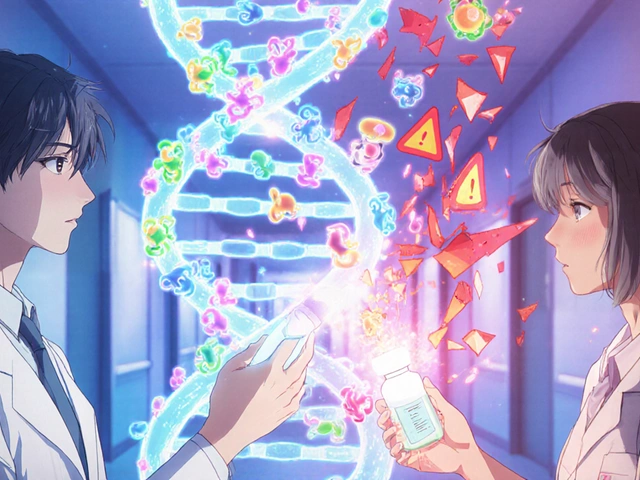
Preventing Adverse Drug Reactions with Pharmacogenetic Testing
By Marcel Kornblum Nov 17, 2025

Albendazole vs Other Anthelmintics: Detailed Comparison of Alternatives
By Marcel Kornblum Oct 4, 2025
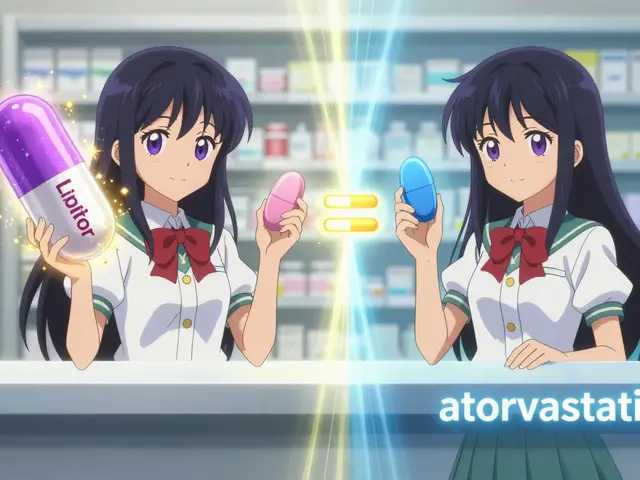
Generic vs Brand Name Drugs: What the Label Really Tells You
By Marcel Kornblum Feb 3, 2026