Grapefruit and Statins: What You Need to Know About This Dangerous Interaction
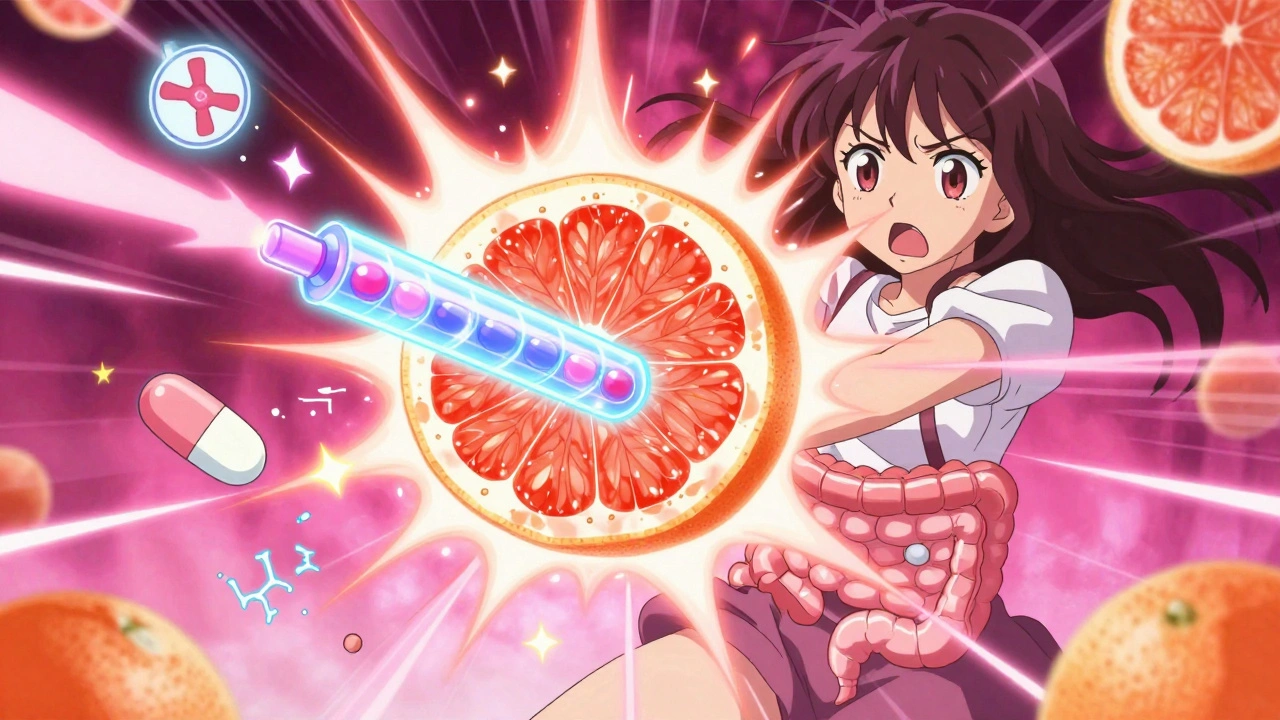
When you take grapefruit and statins, a common combination that can lead to life-threatening muscle damage. Also known as citrus fruit and cholesterol meds, this interaction isn’t just a warning—it’s a real risk that affects thousands of people who think they’re doing everything right. Grapefruit doesn’t just change how your body absorbs statins—it can turn a safe dose into a toxic one. The fruit blocks an enzyme in your gut called CYP3A4, which normally breaks down certain statins before they enter your bloodstream. When that enzyme is shut down, your body ends up with way more of the drug than intended. It’s like turning up the volume on your medication without changing the prescription.
This isn’t about eating a whole grapefruit. Even one glass of juice, or a single grapefruit, can cause this effect—and it lasts for days. Not all statins are equally affected. atorvastatin, a widely prescribed statin for lowering LDL cholesterol, and simvastatin, a statin known for high potency and higher interaction risk, are the worst offenders. Rosuvastatin and pravastatin, on the other hand, barely interact with grapefruit at all. If you’re on a statin and love citrus, your doctor should know which one you’re taking. Many people don’t realize their medication is on the list until they end up with muscle pain, weakness, or dark urine—signs of rhabdomyolysis, a rare but serious condition that can damage kidneys.
It’s not just grapefruit. Seville oranges, pomelos, and some tangelos do the same thing. Regular oranges and lemons? Safe. But if you’ve ever heard your pharmacist say, "Don’t drink grapefruit juice with this," it’s because they’ve seen the results. Studies show that people who keep eating grapefruit while on high-risk statins have up to a 15-fold increase in drug levels. That’s not a small risk—it’s a preventable emergency.
What you’ll find here aren’t just warnings. You’ll see real cases, clear comparisons of which statins are safest, and practical advice for people who don’t want to give up their morning juice but still need to protect their heart and muscles. Whether you’re on a statin now, thinking about starting one, or helping someone who is, this collection gives you the facts you need to stay safe without overcomplicating things.
Medications
11
Comments
Grapefruit and Statins: What You Need to Know About the Dangerous Interaction
Grapefruit can dangerously increase statin levels in your blood, raising the risk of muscle damage and kidney failure. Learn which statins are risky, what to do if you eat grapefruit, and safer alternatives.
About
Medications
Latest Posts

Nail Disorders: How to Tell Fungal Infections Apart from Psoriatic Changes
By Marcel Kornblum Nov 29, 2025

Emergency Use of Sub-Potent Expired Medications: When It’s Safe and When It’s Not
By Marcel Kornblum Jan 19, 2026

Exploring Effective Alternatives to Flagyl for Diverse Infections
By Marcel Kornblum Feb 4, 2025