Generic Drugs: What They Are, How They Work, and When to Choose Them
When you hear generic drugs, lower-cost versions of brand-name medications that contain the same active ingredient, dosage, and intended use. Also known as generic medications, they make up over 90% of prescriptions filled in the U.S. But that doesn’t mean they’re all the same in how your body responds. The FDA says they’re bioequivalent—meaning they work the same way in your system. But if you’ve ever switched from one generic to another and noticed your blood pressure spiked, your seizures returned, or your stomach rebelled—you’re not imagining it.
That’s where pharmaceutical excipients, the inactive ingredients like fillers, dyes, and coatings that help the drug work or stay stable. Also known as inactive ingredients, they don’t treat your condition—but they can change how fast or how well the active drug gets absorbed. Two pills might have the same amount of lisinopril, but one uses a different binder that slows release. For most people, it doesn’t matter. For someone on antiseizure meds like lamotrigine, even a 5% difference can trigger a seizure. That’s why doctors warn against switching generics for NTI drugs—narrow therapeutic index meds where tiny changes have big consequences.
And then there’s the money game. PBM negotiations, the opaque deals between pharmacy benefit managers, insurers, and pharmacies that set what you pay at the counter. Also known as pharmacy benefit manager pricing, they often make the cash price cheaper than your insurance copay. How? Through spread pricing—where the PBM charges your insurer more than they pay the pharmacy—and clawbacks, where you get billed later for the difference. That’s why you might pay $10 for a generic on insurance but only $4 if you pay cash. It’s not a mistake. It’s the system.
What you’ll find in the posts below isn’t just a list of generic drugs. It’s the real talk behind them: why some people can’t switch from brand to generic without problems, how excipients might be causing your rash or stomach upset, how insurers set prices that don’t make sense, and which medications are safest to swap—and which aren’t worth the risk. You’ll see how genetic testing can predict if your body will handle a generic statin, how green tea affects blood thinners even when you’re on generics, and why a $3 pill might be worse than a $30 one if your body doesn’t absorb it right. This isn’t theory. It’s what happens when you take your meds every day and wonder why things aren’t working like they should.
Medications
12
Comments
History of Generic Drugs in the United States: How They Became 90% of Prescriptions
Generic drugs now fill over 90% of U.S. prescriptions, saving billions annually. Their rise began with early drug standards, accelerated by the Hatch-Waxman Act, and continues amid supply chain and pricing challenges.
Medications
15
Comments
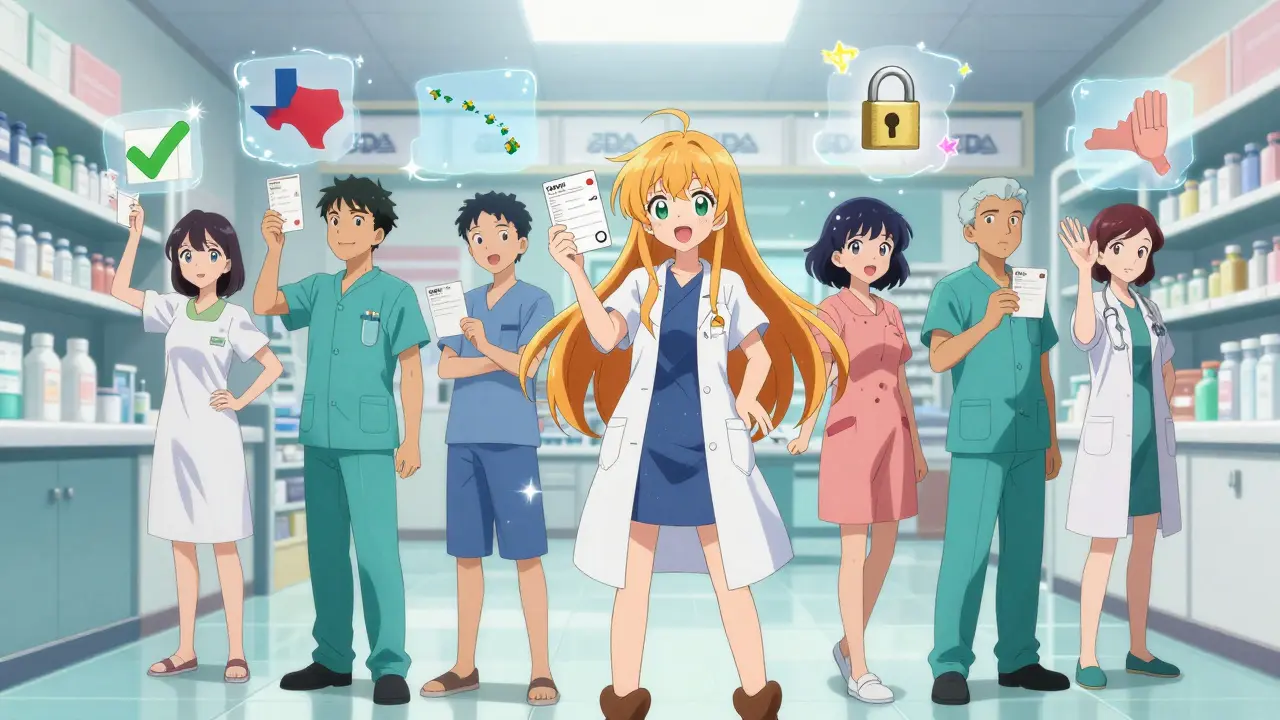
State Laws on Generic Drug Substitution: How Rules Vary Across the U.S.
State laws on generic drug substitution vary widely across the U.S., affecting how pharmacists swap brand-name drugs for cheaper generics. From mandatory substitution to patient consent rules, understanding your state’s laws can save money - or protect your health.
Medications
15
Comments
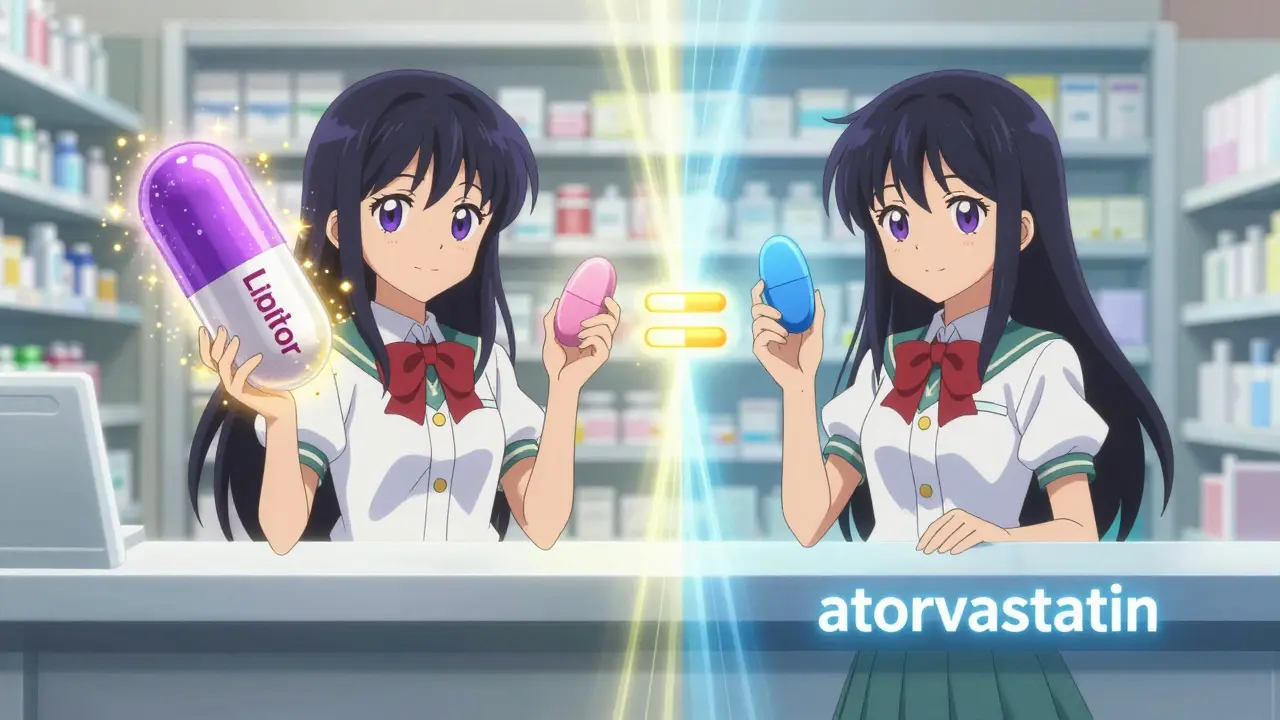
Generic vs Brand Name Drugs: What the Label Really Tells You
Generic drugs are just as effective as brand-name drugs but cost up to 90% less. The FDA requires them to meet the same strict standards for safety, strength, and performance. Learn how labels, bioequivalence, and cost differences really work.

Medical Research
10
Comments
Partial AUC in Bioequivalence: How Advanced Metrics Ensure Generic Drug Safety
Partial AUC is a precise pharmacokinetic tool used by regulators to ensure generic drugs match brand-name products in how quickly they're absorbed. It's now required for many extended-release and abuse-deterrent medications to prevent dangerous differences in early drug exposure.
Medications
10
Comments
How to Talk to Your Doctor About Staying on a Brand Medication
Learn how to talk to your doctor about staying on a brand medication when generics aren't working for you. Get practical tips, insurance strategies, and real-world advice to protect your health.
Medications
8
Comments
Authorized Generics: How Brand Drug Companies Respond to Patent Expiration
Authorized generics are brand-name drugs sold under a different label after patent expiration. They're identical to the original, lower in price, and used by manufacturers to compete with generics. Here's how they work and why they matter.
About
Medications, Medical Research
Latest Posts


Biaxin Uses, Dosages, and Side Effects: Detailed Guide for Patients
By Marcel Kornblum Jul 1, 2025
Evening Primrose Oil, Seizure Risk & Antipsychotic Interactions
By Marcel Kornblum Oct 25, 2025

How Formulation Patents on Drug Combinations Extend Pharmaceutical Exclusivity
By Marcel Kornblum Jan 29, 2026